

With the widespread use of electronic devices in daily life and work, people's demands for electricity have gone beyond traditional wall sockets. Mobile phones, tablets, Bluetooth devices, and smart wearable devices all rely on USB interfaces for charging.
Against this backdrop, USB wall sockets have gradually become a common electrical appliance.
So, what is a USB wall socket? How does it differ from a regular wall socket? How does it work? What environments is it suitable for?
This article will systematically and professionally analyze this product form of the USB wall socket from multiple perspectives, including structure, principle, parameters, safety, and usage logic, helping you fully understand its essence.

What is the basic definition of a USB wall socket?
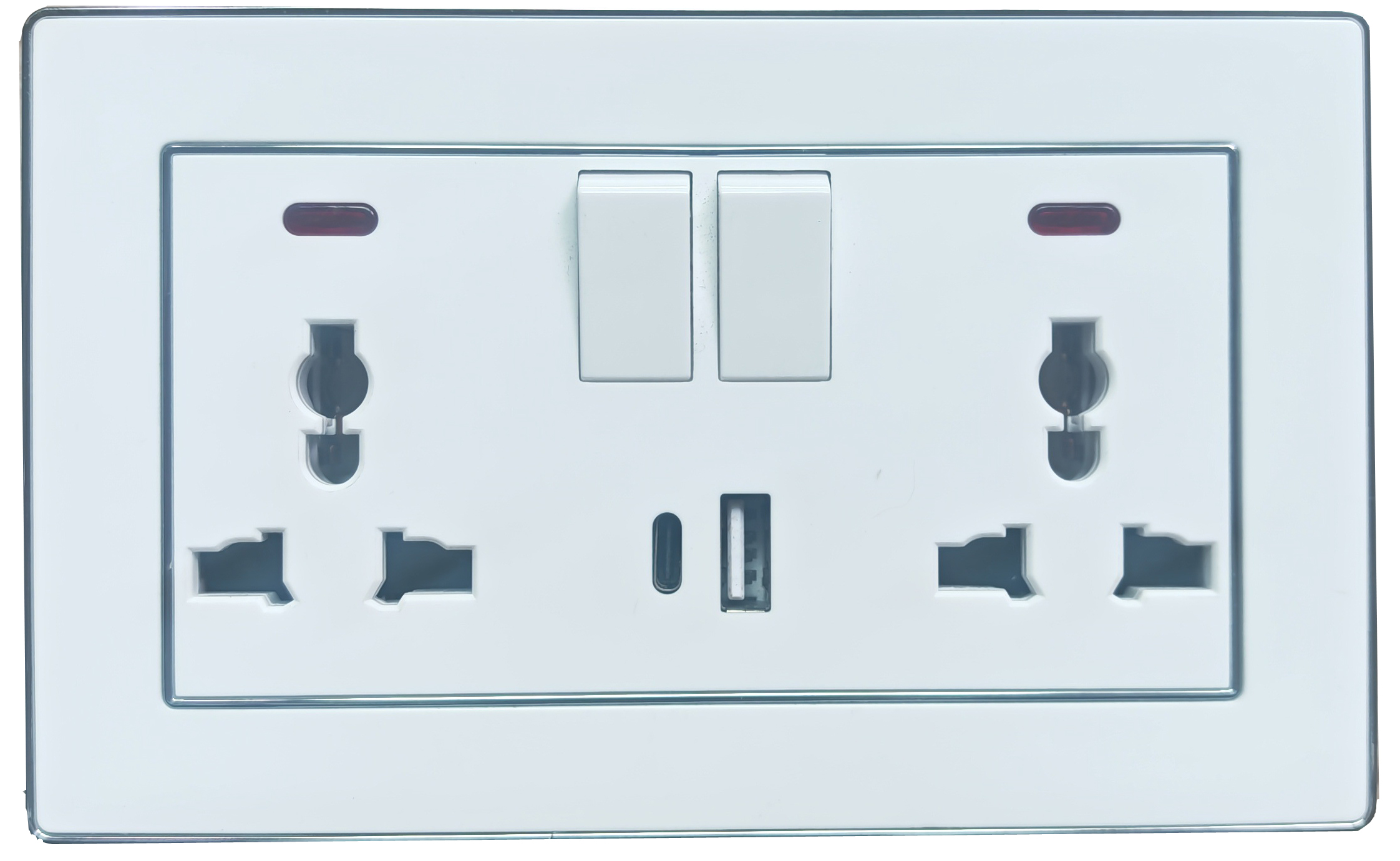
From a professional definition, a USB wall socket is a power device that integrates a traditional AC power socket with a USB DC output interface on the same panel.
Unlike regular wall sockets, USB wall sockets have the following core features:
• Directly output 5V or other standard USB DC voltages
• Built-in power conversion module (AC to DC)
• Powers USB devices without an external charger
• Typically installed on the wall in combination with a regular socket
In short, the essence of a USB wall socket is:
Integrating a "charging head" inside the wall socket.
What's the difference between a USB wall socket and a regular wall socket?
To understand a USB wall socket, you must first distinguish it from a regular wall socket.
From a functional perspective:
• Regular wall socket: Provides only AC power
• USB wall socket: Provides both AC and DC power
From a structural perspective, a USB wall socket has an additional key component:
• Power conversion module (transformer + rectifier + regulator)
This module enables the USB wall socket to convert the high-voltage AC power inside the wall into low-voltage DC power suitable for electronic devices.
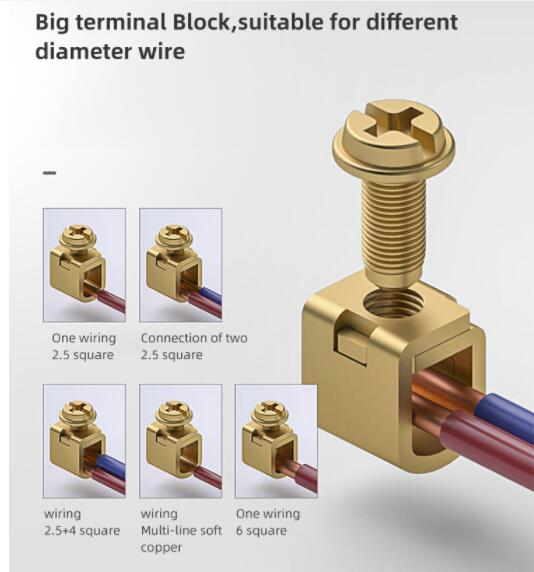
How does a USB wall socket work internally?
This is a question many people are interested in but don't quite understand. The operation of a USB wall socket can be simplified to the following steps:
1. AC power input into the wall (usually 110V or 220V)
2. Internal power module steps down the AC power
3. Converts the AC power to stable DC power
4. Outputs standard voltage and current through the USB interface
From a professional perspective, a USB wall socket is essentially a fixed power adapter, only it's permanently installed in the wall, rather than existing as an external charging head.
What are the common interface types for USB wall sockets?
In terms of structural design, USB wall sockets typically feature different types of USB interfaces to meet the charging needs of various devices.
Common forms include:
• USB wall socket with a single USB interface
• USB wall socket with two USB interfaces
• Combination design of USB interface and traditional socket
Regardless of the number of interfaces, its core function remains the same:
Providing stable and safe DC power to USB devices.
What are the output voltage and current of a USB wall socket?
From an electrical parameter perspective, USB wall sockets typically follow the basic output specifications of the USB standard.
Generally speaking:
• Output voltage: Based on 5V
• Output current: Varies depending on the design
It's important to clarify that the output capacity of a USB wall socket is determined by its internal power module, not by the socket's appearance.
Therefore, when understanding a USB wall socket, one shouldn't just look at whether it has USB ports; its rated output parameters also need to be considered.
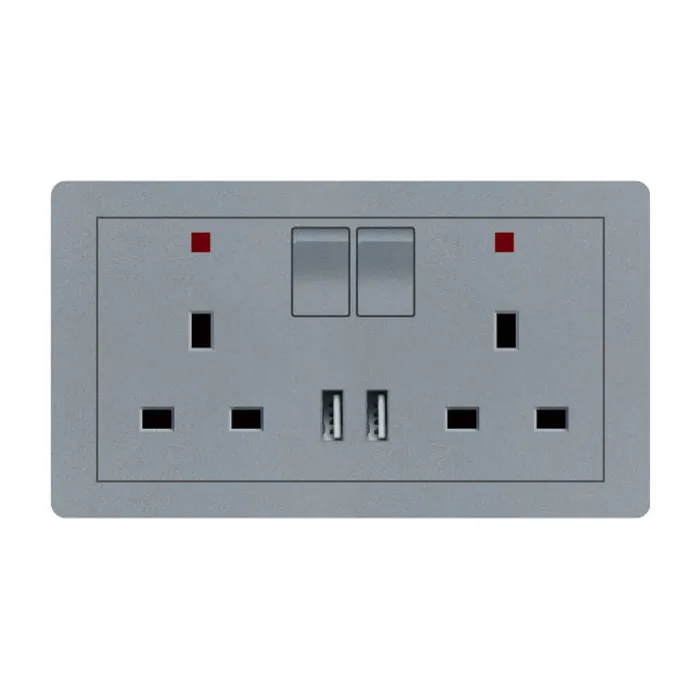
Are USB wall sockets safer than external chargers?
In principle, USB wall sockets and external USB chargers operate on the same logic. Their safety depends on the following factors:
• The design quality of the internal power module
• The rationality of the insulation and protection structure
• Whether it has overload and overcurrent protection capabilities
A qualified USB wall socket typically considers the following during the design phase:
• Stability under long-term power supply
• Internal wall heat dissipation conditions
• Mechanical stress caused by frequent plugging and unplugging
Therefore, USB wall sockets are often designed with a greater emphasis on long-term stable operation.
Why are USB wall sockets becoming increasingly common?
From a usage perspective, the widespread adoption of USB wall sockets is not accidental.
The core reasons are:
• USB interfaces have become universal power supply interfaces.
• Increased number of devices requires higher socket utilization.
• Reducing the clutter caused by external adapters.
USB wall sockets, through structural integration, create a simpler power environment, which is one of the key reasons for their widespread acceptance.
What are the wall installation requirements for USB wall sockets?
From an installation perspective, USB wall sockets are similar in appearance to ordinary wall sockets, but there are internal differences.
Because USB wall sockets contain a power module, they are more sensitive to the following aspects:
• Sufficient installation space.
• Good ventilation within the wall.
• Standardized and secure wiring.
This is why USB wall sockets typically require standard-compliant back boxes and installation methods.
How to understand the power consumption and standby state of USB wall sockets?
An easily overlooked issue is: Does a USB wall socket still consume power when no devices are connected?
In principle:
• The internal power module of a USB wall socket is usually in standby mode.
• Standby power consumption is generally low.
• It is a continuously powered electrical device.
Therefore, USB wall sockets emphasize the stability and energy efficiency control of their internal circuitry.

Can a USB wall socket replace all chargers?
From a functional perspective, a USB wall socket is not a "universal replacement."
It's important to understand rationally:
• USB wall sockets are suitable for standard USB-powered devices.
• They provide basic, stable power output.
• Special devices may still rely on dedicated power adapters.
Therefore, the positioning of a USB wall socket should be understood as:
A fixed power supply method that improves the convenience of electricity use, not a replacement for all power devices.
What parameters should be considered when choosing a USB wall socket?
From a professional selection perspective, understanding USB wall sockets requires focusing on the following aspects:
• Is the USB output voltage stable?
• Is the USB output current clearly labeled?
• Is it reasonably combined with AC sockets?
• Does the structural design facilitate heat dissipation?
These factors collectively determine the reliability of a USB wall socket in long-term use.
The core understanding of "What is a USB wall socket?": Through the above systematic analysis, a clear conclusion can be drawn:
• A USB wall socket is an integrated power supply device.
• It directly integrates USB DC output functionality into the wall socket.
• Essentially, it is a fixed-installation USB power module.
• Its value lies in improving power convenience and space utilization.
To truly understand a USB wall socket, one should not stop at simply "adding a USB port," but rather gain a systematic understanding of its electrical structure, working principle, and usage logic.
How do you support quality assurance and returns for wholesale purchasers?
Wholesale purchasers receive quality assurance through batch inspections, test reports, and pre-shipment checks. Our company maintains clear return and defect-handling policies: defective items within the warranty can be replaced or refunded according to agreed terms. For large orders, we offer incoming QA coordination and can accommodate third-party inspection requests prior to shipment. These measures protect buyers’ purchasing decisions and minimize risk in procurement contracts while preserving competitive supplier pricing.
