

With the increasing number of electronic devices, more and more homes and commercial spaces are installing wall sockets with USB ports. These sockets can directly power devices such as phones, tablets, and headphones, seemingly more convenient, but they also raise a frequently discussed question: Are wall sockets with USB ports safe?
Some believe that reducing the need for external chargers makes them safer; others worry that the more complex internal structure of wall sockets increases the risk of overheating or malfunction.
In fact, this question cannot be answered simply with "safe" or "unsafe." A professional analysis is necessary, considering the wall socket's electrical structure, power supply method, internal power module, heat dissipation, rated parameters, and usage logic.
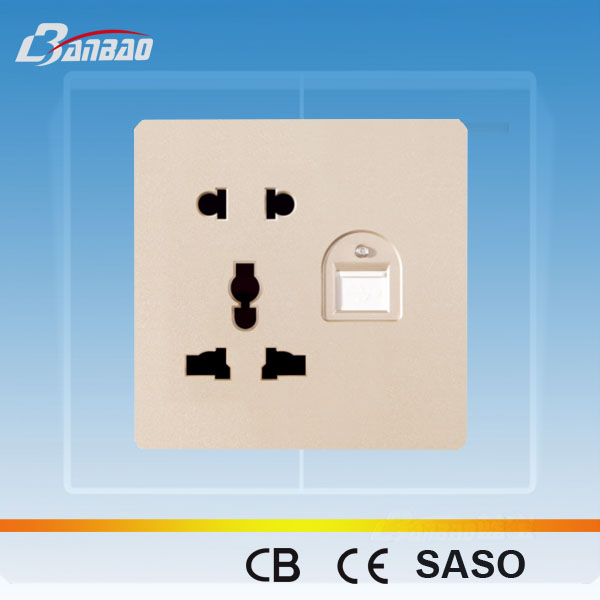
What is a wall socket with a USB port?
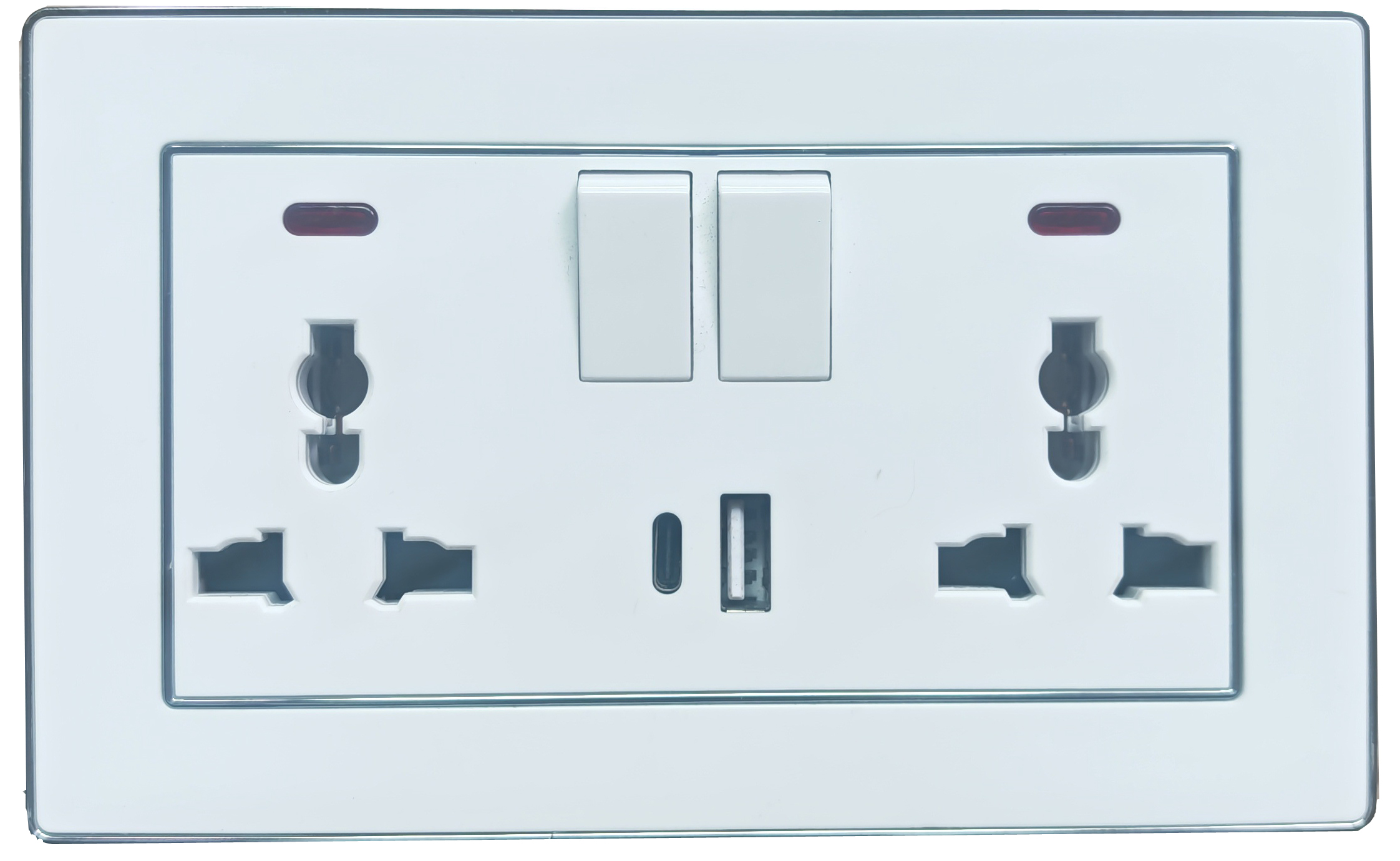
Essentially, a wall socket with a USB port is an integrated wall socket. It incorporates a low-voltage DC power module within a traditional AC socket (such as a 10A, 13A, or 16A socket) to output the standard USB voltage.
Its main components include:
• Standard AC wall socket (for 220V/110V)
• Built-in AC-DC power conversion module
• USB output interface (e.g., 5V, 9V)
It's important to clarify:
The USB interface does not directly output AC power from the wall socket; instead, it outputs DC power after being stepped down by the internal conversion module.
How does a wall socket with a USB interface work internally?
A wall socket with a USB interface typically contains a Switch Mode Power Supply (SMPS) module. Its basic workflow is as follows:
1. The wall socket is connected to AC mains power.
2. The internal power module converts the AC power to low-voltage DC power.
3. A stable voltage is output to the device through the USB interface.
This means:
• A "miniature power adapter" is permanently present inside the wall socket.
• It works in the same principle as an external USB charger.
Safety issues revolve around this "built-in power module."
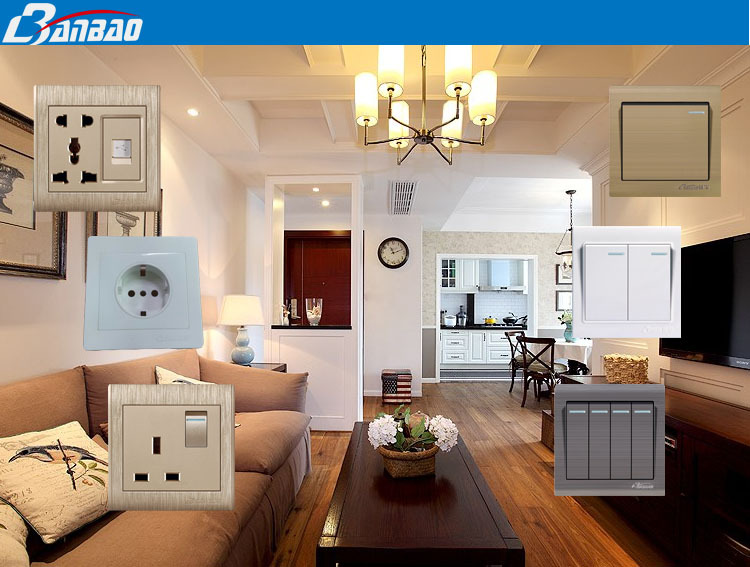
Are there potential risks associated with wall sockets with USB interfaces?
Compared to traditional wall sockets, wall sockets with USB ports do present several additional potential risks that must be addressed:
1. More Complex Internal Structure
Ordinary wall sockets primarily handle:
• Conductivity
• Insertion and removal
• Contact stability
Wall sockets with USB ports also require:
• Voltage conversion
• Rectification
• Filtering
• Voltage regulation
The significantly increased number of components means:
• More potential points of failure
• Higher design and manufacturing requirements
2. Continuous Internal Power Supply
Even without a USB device plugged in, many wall sockets with USB ports remain in standby mode. This means:
• Continuous power supply inside the socket
• Continuous thermal stress on electronic components
• Critical heat dissipation conditions
3. Limited Heat Dissipation
Wall sockets are typically installed in:
• Wall boxes
• Limited space
• Limited ventilation
Compared to external chargers, the internal power module faces more stringent heat dissipation requirements.
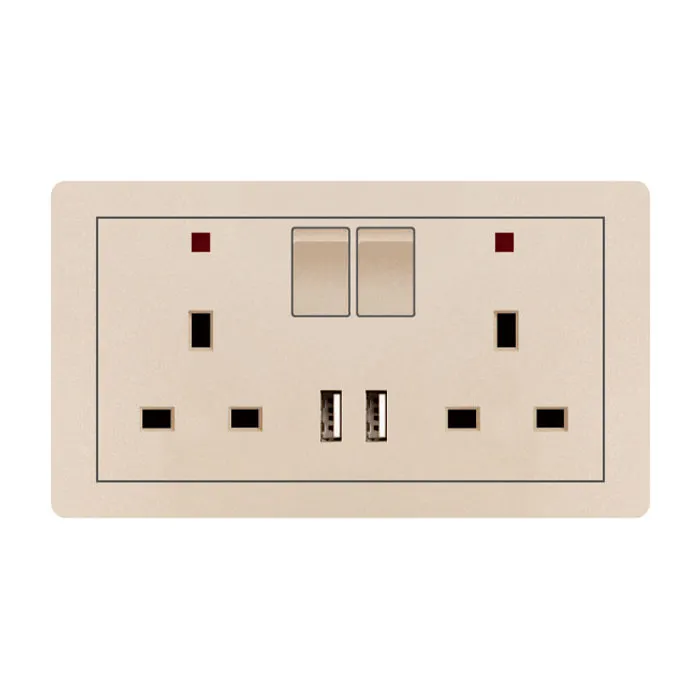
So why are wall sockets with USB ports still widely used?
The reason is as follows:
Safety depends on whether the design conforms to specifications, not on the complexity of the function.
Assuming compliance with electrical standards, wall sockets with USB interfaces possess the following basic safety features:
1. Electrical Isolation Design
A qualified wall socket's internal USB module must have:
• Safe isolation between the primary side (AC) and the secondary side (DC)
• Compliance with creepage distance and clearance requirements
This effectively prevents:
• AC current entering the USB interface
• Risk of electric shock when the user touches the low-voltage end
2. Overcurrent and Overvoltage Protection
A properly designed USB module typically includes:
• Output overcurrent protection
• Output short-circuit protection
• Input anomaly protection
These protection mechanisms limit the spread of risk under abnormal conditions.
3. The Wall Socket as a Whole is Still Protected Upstream
Even if the USB module malfunctions:
• Upstream circuit breaker
• Socket circuit protection
• Residual current device
This still constitutes multiple lines of defense.
Is the low-voltage output of the USB interface truly safe?
From an electrical safety perspective:
• USB interface output voltage is typically 5V or 9V
• This falls within the safe extra-low voltage (SELV) range
Under normal circumstances:
The USB interface itself does not pose a risk of electric shock.
The real concern is not the USB output end, but rather:
• Whether the high-voltage to low-voltage conversion process inside the wall socket is safe and reliable.
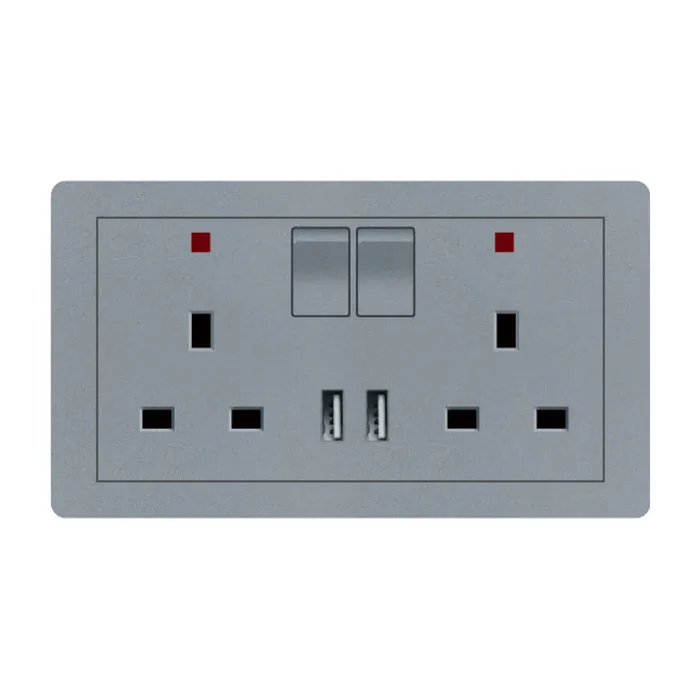
Do wall sockets with USB interfaces get hotter more easily?
The answer is: Under the same conditions, there is a higher probability of overheating.
Reasons include:
• Energy loss in the internal power module
• Conversion efficiency cannot reach 100%
• Residual energy is released as heat
If poorly designed, this may lead to:
• Increased socket panel temperature
• Accelerated aging of internal components
• Shortened lifespan
However, it is important to emphasize:
Overheating does not equate to unsafety; the key is whether it is within the design limits.
Does the USB interface on a wall socket affect the safety of the main socket?
In a well-designed system:
• The USB module and the main socket are electrically separate functional units.
• USB uses very low power (typically <20W).
• It does not significantly affect the socket's rated current capacity.
However, if the design is poor, the following may occur:
• Crowded internal space
• Overly dense wiring
• Limited heat dissipation
This indirectly affects the overall reliability of the wall socket.
Are wall sockets with USB ports more prone to damage?
This impression usually stems from the following reasons:
• Limited lifespan of electronic components
• Accelerated aging due to prolonged high temperatures
• Frequent plugging and unplugging of USB ports
Compared to ordinary wall sockets with purely mechanical structures, wall sockets with USB ports do rely more heavily on the stability of their electronic components.
But this does not mean they are inherently "unsafe," but rather:
They require higher standards in product design, materials, and manufacturing quality.
What factors determine whether a wall socket with a USB port is safe?
From a professional perspective, judging the safety of a wall socket with a USB port mainly involves considering the following aspects:
1. Does it have clearly marked rated parameters?
This includes input voltage, USB output voltage, and current capacity.
2. Does it employ an isolated power supply design?
This is the most fundamental safety feature.
3. Is the heat dissipation structure reasonable?
This includes:
• Panel material
• Internal layout
• Fit of the junction box space
4. Does it conform to basic electrical safety logic?
For example:
• Preventing low-voltage components from being subjected to high voltage
• Preventing high temperatures from concentrating at the contact points
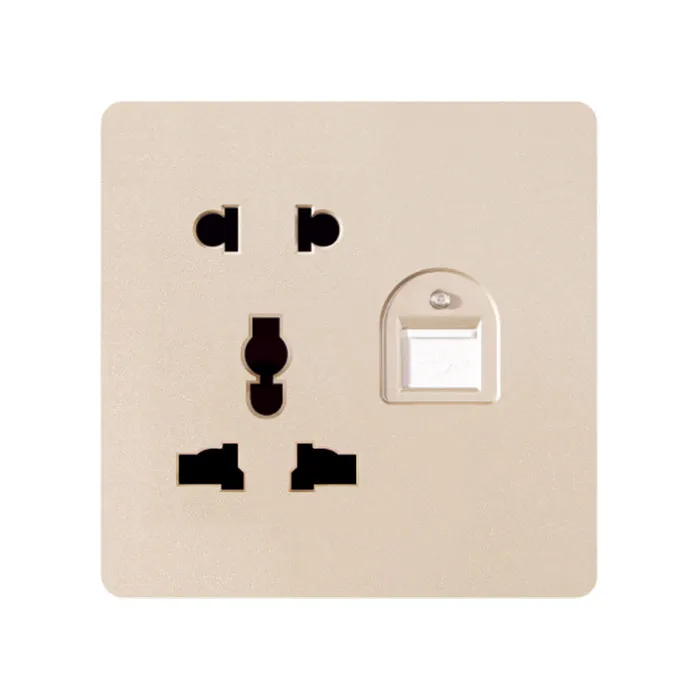
Are wall sockets with USB ports safe?
Considering all professional factors, a clear conclusion can be drawn:
✔ From a theoretical perspective:
Wall sockets with USB ports are not inherently unsafe; their working principle is the same as that of an external charger.
✔ From a structural perspective:
They are more complex than ordinary wall sockets, requiring higher standards in design and manufacturing.
✔ From a usage perspective:
Safety primarily depends on:
• Compliance with electrical specifications
• Adequate heat dissipation
• Operation within rated limits
How quickly can you respond to quotation requests?
Our sales staff responds promptly—usually within 24 hours—to provide accurate quotes that include pricing, MOQs, delivery times, and customization options. Because production and R&D are integrated within the same factory, our quotes reflect real-time capacity and material availability. Buyers can request multiple variations, such as different colors or model combinations, and receive updated prices accordingly. Fast quotation service helps procurement teams streamline purchasing decisions and secure competitive rates.
