

In residential and commercial electrical environments, many people encounter this question: When an appliance is labeled 16A, but the wall socket is a 13A wall switch, can I plug it in directly?
This question seems simple, but it actually involves multiple technical aspects, including current ratings, power calculations, electrical safety regulations, and plug and socket design logic. Insufficient understanding can lead to safety hazards, damage to equipment, or even electrical accidents.
This article will systematically and deeply explain this core issue from the perspectives of current, voltage, power, plug and socket structure, design standards, and safety logic:
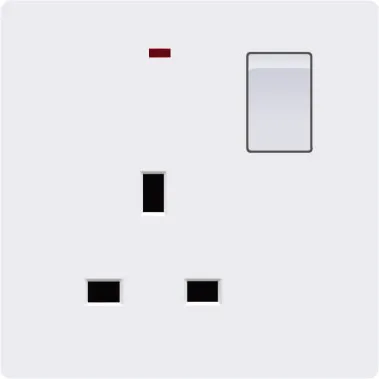
Can a 16A appliance be plugged into a 13A wall switch?
It will help you make the correct judgment based on electrical principles, without relying on vague experience.
What do 13A wall switch and 16A appliance mean respectively?
The 13A in "13A wall switch" refers to the maximum rated current that the socket can safely carry for a long period under standard conditions, which is 13 amperes.
This does not mean:
• The socket "can only use 13A appliances"
• Or "Appliances exceeding 13A will definitely cause problems"
Instead, it means: The socket is designed for safety with a maximum current of 13A in its design, materials, contacts, internal structure, and supporting standards.
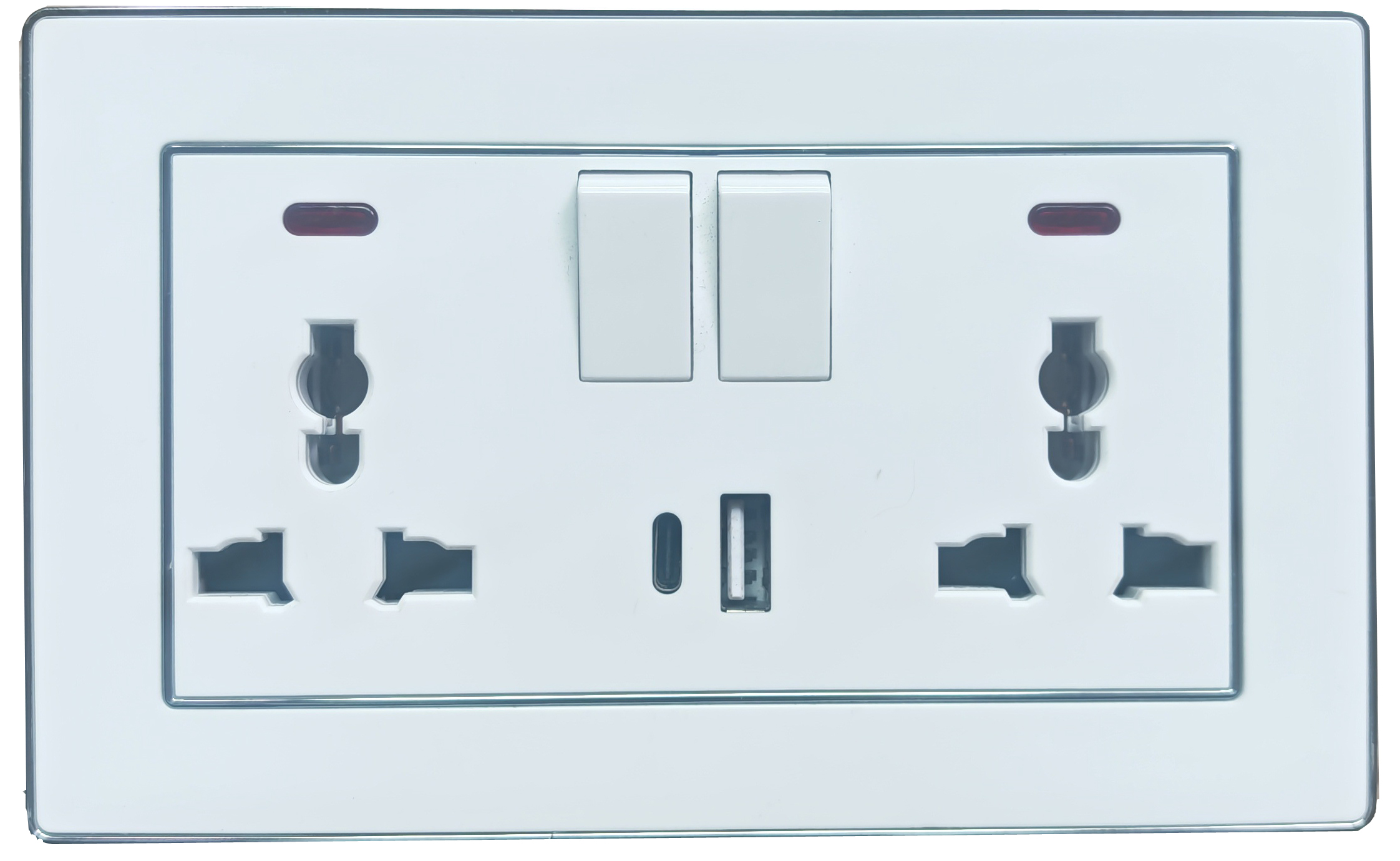
In the UK and some regions using the BS standard, a 13A wall switch typically has the following characteristics:
• Rated voltage: 230V~250V
• Rated current: 13A
• Robust internal structure
• Built-in fuse in the plug
What does the "16A" in a 16A appliance refer to?
The 16A on a 16A appliance typically indicates:
• The appliance may require or is permitted to draw a maximum current of 16A under maximum operating conditions.
• Or, the appliance's plug, wiring, and internal components are designed to withstand a 16A rating.
It's important to note:
16A does not mean "always draws 16A of current."
It is simply a maximum rated capacity or design limit.
Whether 16A actually flows depends on:
• The appliance's power rating
• The actual operating conditions
• The voltage applied.
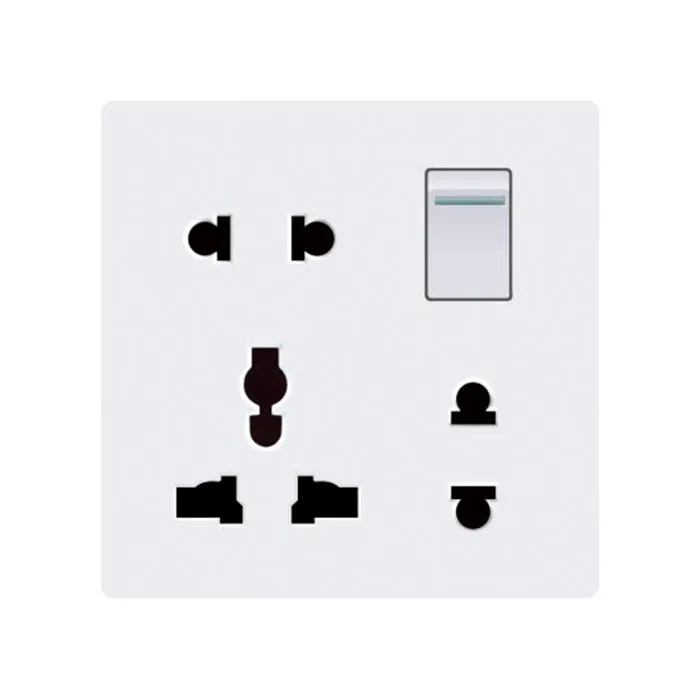
Is it physically feasible to plug a 16A appliance into a 13A wall switch?
From a plug structure perspective, can a 16A appliance be plugged into a 13A wall switch?
From a physical structural perspective, in most cases:
The plug of a 16A appliance cannot be directly plugged into a standard 13A wall switch.
The reasons are as follows:
• 13A wall switches use sockets of a specific size and shape.
• 16A plugs are typically larger and have thicker prongs.
• Plugs and sockets are mechanically "intentionally differentiated."
This design is not accidental, but rather to:
• Prevent high-current devices from being mistakenly connected to low-rated sockets.
• Reduce the risk of misuse from a physical perspective.
Therefore, in most regulated environments, physical incompatibility is itself the first line of defense for safety.
Assuming a connection is possible, is it electrically safe?
If we ignore the plug structure, is it electrically permissible to connect a 16A appliance to a 13A wall switch?
This is a more crucial and technical question.
The answer is:
Safety depends on the "actual operating current of the appliance," not the nominal 16A.
To understand this, a basic formula needs to be mastered:
Power formula:
P = V × I
Where:
• P = Power (W)
• V = Voltage (V)
• I = Current (A)
What is the maximum power a 13A wall switch can provide?
Taking the common 230V voltage as an example:
• 13A × 230V ≈ 2990W
That is to say:
A 13A wall switch can theoretically handle a load power of nearly 3000W.
However, in professional electrical design, a safety margin must be considered:
• Recommended long-term load: approximately 70%–80%
• That is, around 2100W–2400W is more reasonable.
Will a 16A appliance necessarily exceed the capacity of a 13A wall switch?
No.
The key is:
The 16A rating on an appliance is the "maximum allowable rated current," not the "actually inevitable current consumption."
For example:
• A 2000W appliance
• Its operating current at 230V is approximately: 2000 ÷ 230 ≈ 8.7A
Even if the appliance uses a 16A plug, under these conditions:
• The actual current is far lower than 13A
• From a current perspective, it will not exceed the capacity of a 13A wall switch.
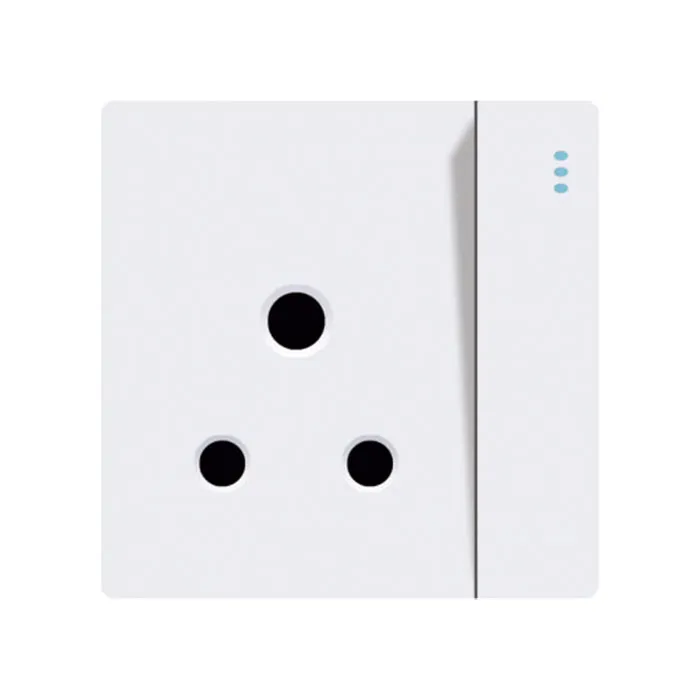
So why is it still not recommended?
If the current is not exceeded, why is it still not recommended to connect a 16A appliance to a 13A wall switch?
The reasons are mainly concentrated in the following aspects:
1. The rated value is a safety upper limit, not a usage recommendation
The 13A of a 13A wall switch is:
• Under standard conditions
• Standard installation
• Qualified wiring
• Reasonable heat dissipation
This is the safety upper limit that is established.
The following conditions will reduce the safety margin:
• Aging socket
• Poor contact
• Frequent plugging and unplugging
• Poor quality wall wiring
2. Appliances have starting current or fluctuating current
Many appliances, at startup:
• The current is significantly higher than during stable operation
• The instantaneous current may approach or exceed 13A
This will lead to:
• Overheating of socket contacts
• Internal metal fatigue
• Degraded contact performance
3. Sockets are not designed for long-term 16A rating
Even if short-term operation is not a problem,
• Long-term operation close to the limit
• Accelerated aging of the 13A wall switch
• Reduced reliability of the overall power system
Can the internal fuse of a 13A wall switch protect 16A appliances?
In some standard systems, 13A plugs are equipped with internal fuses (such as 3A, 5A, 13A).
It's important to clarify the following:
• The purpose of a fuse is to prevent circuit overload.
• It's not for "ensuring the safe operation of high-rated appliances."
If:
• The appliance does attempt to draw more than 13A of current under certain conditions
• The fuse inside the plug may blow
• Causing the appliance to malfunction
This is not because the "socket is broken," but because the protection mechanism is at work.
Do electrical codes allow a 16A appliance to be connected to a 13A wall switch?
From the perspective of common electrical design principles:
The rated current of an appliance should not exceed the rated current rating of the power outlet.
This is to ensure:
• Not relying on "luck" or "temporary success"
• But based on safe design under the worst-case scenario
Therefore, in a regulatory sense:
• A 16A appliance ≠ designed for a 13A wall switch
• Even if it can operate in the short term, it is not considered a recommended or standard practice.
In which situations will the risk be further amplified?
In what situations is connecting a 16A appliance to a 13A wall switch particularly unsafe?
The following situations significantly increase the risk:
• Appliance power approaching or exceeding 2500W
• Appliance frequently starting and stopping
• Socket used for an extended period
• Loose plugs or sockets
• Thin wiring behind the socket
• High ambient temperature
Under these combined conditions, the safety margin of a 13A wall switch will be rapidly depleted.
How to correctly understand the question of "Can I plug it in?"
The following order should be followed:
1. Check the socket's rated current (13A)
2. Check the appliance's actual operating power
3. Calculate the normal operating current
4. Determine if it has been nearing its limit for an extended period
5. Consider starting current and environmental factors
Instead of just looking at:
• "The plug goes in"
• "I think I've used this before"
How does Zhongmei support bulk purchasing for engineering or construction projects?
For construction, renovation, and infrastructure projects needing large quantities of switches and sockets, we provide structured bulk-purchase programs. These include tiered wholesale prices, project-specific discounts, long-term supply support, and detailed technical documentation. We also offer unified design collections so contractors can maintain consistency across rooms and buildings.
Our sales team produces official quotes with item lists, total prices, lead times, and warranty terms to support procurement approvals. As a factory, we ensure steady output to meet strict project deadlines.
