

In household electrical planning, the refrigerator is one of the core appliances that operates almost 24/7 and is constantly powered. Because of this, many people encounter a seemingly simple yet crucial question when renovating or replacing sockets: Does a refrigerator need a 16A wall socket?
Some believe that refrigerators have low power consumption and a regular socket is sufficient; others believe that refrigerators have a high starting current and a 16A wall socket is necessary for safety.
Which of these two statements is closer to the professional truth?
Do all refrigerators need to use a 16A wall socket?
If not, are there any safety hazards?
This article will systematically and professionally answer this question from multiple perspectives, including the refrigerator's operating characteristics, the relationship between current and power, socket rating parameters, starting current, continuous load, and safety margin, helping you make the correct judgment based on electrical principles, rather than experience-based guesses.
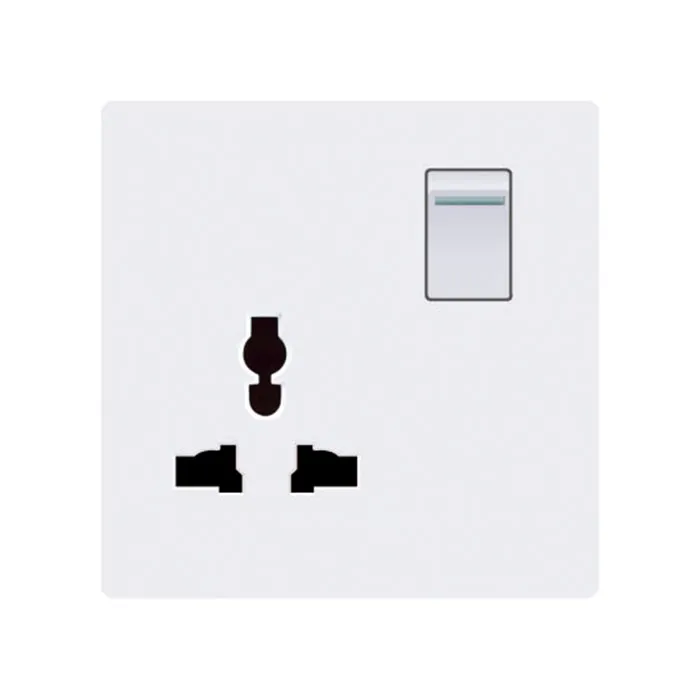
What is a 16A Wall Socket?
In an electrical system, a 16A wall socket means: Under standard conditions, the maximum rated current that the socket can safely and continuously pass through is 16 amperes (Ampere).
This definition includes several important premises:
• Refers to the continuous operating current
• Under proper installation, normal ambient temperature, and correct wiring conditions
• And takes into account materials, contacts, heat dissipation capacity, and safety margin
In other words, a 16A wall socket is not "only for 16A appliances," but rather:
It has the ability to handle higher current loads and a higher safety margin.
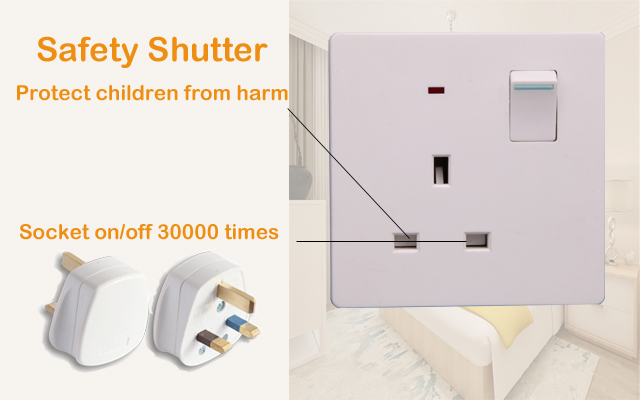
What are the typical rated power and current of a refrigerator?
To determine whether a 16A wall socket is needed, it is essential to understand the electrical characteristics of the refrigerator itself.
From an electrical principle perspective, a refrigerator belongs to:
• Single-phase AC appliance
• Inductive load (with compressor motor)
• Equipment that operates continuously for extended periods
Generally, household refrigerators have the following typical characteristics:
• Rated power: typically in the range of 100W to 300W
• Operating current (230V system): approximately 0.5A to 1.5A
• Does not operate continuously at full load, but rather periodically starts and stops
From the perspective of "rated power," the operating current of a refrigerator is far lower than 16A.
Since refrigerators don't have high power consumption, why discuss a 16A wall socket?
The key isn't the rated operating current, but rather the following two points:
1. Inrush Current
The compressor inside a refrigerator is a motor-type load, characterized by:
• A significantly higher instantaneous starting current than the stable operating current.
• The starting current is typically 3 to 7 times the rated current.
That is to say:
• Even if the refrigerator's normal operating current is only 1A,
• It may briefly reach 4A, 6A, or even higher during startup.
Although this process is short-lived, frequent start-stop cycles can affect the socket contacts and internal structure.
2. Continuous Power Supply
Refrigerators differ from many other appliances:
• They are powered almost 24 hours a day.
• They operate continuously year-round.
• The plug and socket are constantly powered and heated.
This means the socket must not only "bear current," but also:
• Resist long-term temperature rise.
• Maintain good contact performance.
• Avoid increased contact resistance due to aging.

What are the advantages of a 16A wall socket in refrigerator use?
From an electrical safety perspective, 16A wall sockets offer significant advantages in the following aspects:
1. Higher current safety margin
Even during a momentary current surge when the refrigerator starts up:
• The 16A wall socket remains well below its rated limits.
• The socket contacts do not approach their thermal limits.
2. Stronger contact structure and materials
16A wall sockets typically feature:
• Thicker metal contacts
• Larger contact area
• Better fatigue resistance
This is crucial for refrigerators that are frequently plugged in and out but continuously powered.
3. Better heat resistance and aging resistance
Under long-term load:
• Lower internal socket temperature rise
• Smaller changes in contact resistance
• Longer lifespan
Does this mean refrigerators "must" use 16A wall sockets?
From a strictly electrical principle perspective, the answer is: Not all refrigerators "must" use 16A wall sockets.
The reasons are as follows:
• The rated operating current of a refrigerator is far lower than the load capacity of a 10A or 13A socket.
• Under normal circumstances, its operating current does not constitute an overload for a regular socket.
However, this does not mean that:
A 16A wall socket is meaningless for a refrigerator.
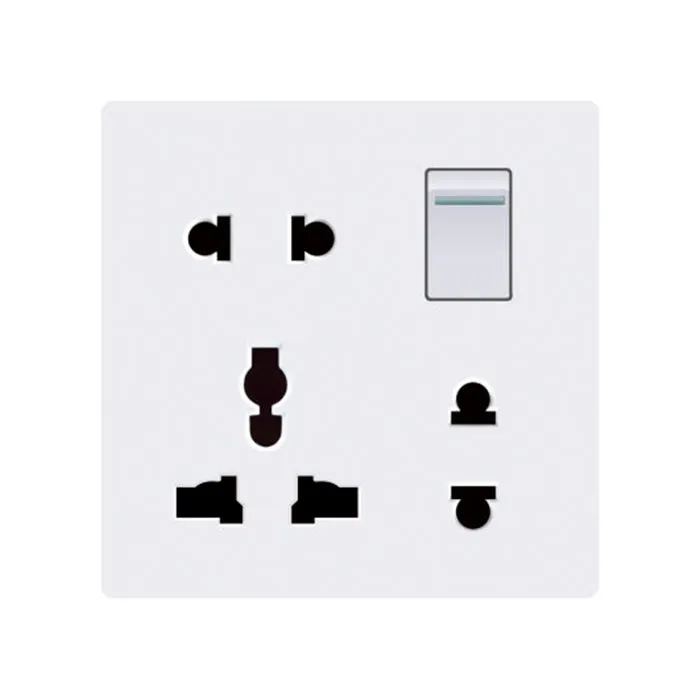
What is the core difference between a 13A or 10A socket and a 16A wall socket?
The differences are mainly reflected in the following aspects:
1. Different design load levels
• Regular sockets: designed for general household appliances
• 16A wall sockets: designed for higher loads or critical equipment
2. Differences in long-term reliability
Even with low current:
• Long-term power supply
• Changes in ambient temperature
• Socket aging
All of these will amplify the difference in socket rating.
3. Ability to withstand starting surges
A 16A wall socket has a greater structural margin when facing:
• Motor starting
• Instantaneous surge current
In which situations is it more necessary to consider a 16A wall socket?
Using a 16A wall socket is more logically sound under the following conditions:
• Refrigerator operates continuously for extended periods
• Socket location has poor ventilation
• Circuit design aims to minimize temperature rise
• Higher requirements for power stability and lifespan
• The wiring behind the socket is of a thicker gauge.
These are not mandatory conditions, but they are considerations for risk control and reliability improvement.
How should this be understood from a regulatory and design principle perspective?
In professional electrical design, the following principles are generally followed:
For equipment operating for extended periods, sockets with a rated capacity significantly higher than the actual load should be prioritized.
This is not because of insufficient current, but to:
• Reduce long-term heat generation
• Improve system stability
• Reduce the risk of aging
Based on this principle:
• A 16A wall socket is not a mandatory requirement for refrigerators
• However, it is a more conservative and reliable choice
Will a 16A wall socket have any negative impact on the refrigerator?
The answer is: No.
The reasons are simple:
• The rated current of a socket is its "upper limit capacity."
• Appliances only draw power according to their own needs.
• Sockets do not "force" appliances to consume more current.
Therefore: A 16A wall socket will not cause any electrical burden or damage to the refrigerator.
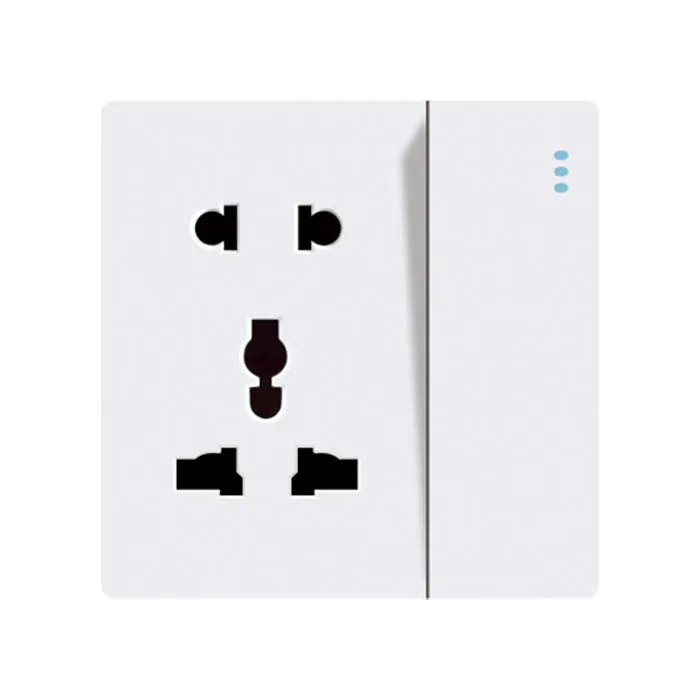
What are some common misconceptions about refrigerators and 16A wall sockets?
Misconception 1:
"Refrigerators have low power consumption, so any socket will do."
This ignores starting current and long-term operating factors.
Misconception 2:
"16A sockets are for high-power appliances; refrigerators are not compatible."
A higher socket rating will not have negative impacts.
Misconception 3:
"If it works now, it will work later."
Socket aging is a long-term process.
What types of customers typically Buy from your factory?
Our customer base ranges from wholesalers, brand distributors, and retailers to engineering contractors, interior designers, and importers. Many choose us because we offer stable supply, high quality, customizable designs and competitive prices. Whether clients need branded OEM solutions or affordable mass-market styles, we provide flexible purchasing structures to fit different business models.
For buyers sourcing in large quantities, our factory offers attractive wholesale discounts, fast delivery schedules, and customized packaging options aligned with market positioning.
