

With the increasing variety of electrical devices, wall sockets have also diversified. Among them, USB wall sockets have become a focus of attention. Compared to traditional sockets, USB wall sockets differ significantly in appearance, function, and internal structure.
This raises a very basic but important question: What is the difference between USB wall sockets and regular sockets?
To truly answer this question, we cannot simply focus on the superficial question of "whether or not there is a USB interface," but need to conduct a systematic comparison from the following aspects:
• Differences in structural composition
• Differences in electrical working principles
• Differences in functional positioning
• Differences in usage
• Differences in safety design logic
This article will professionally and objectively analyze the essential differences between USB wall sockets and regular sockets, focusing on these core points.
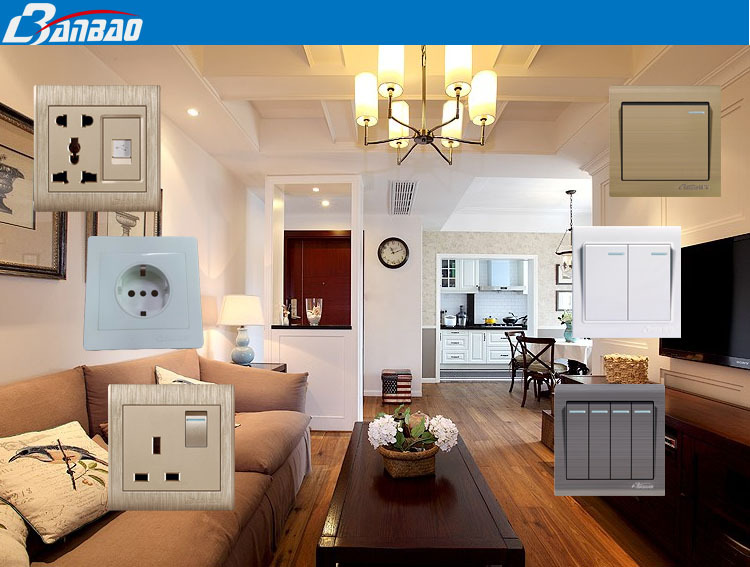
What is a USB Wall Socket?
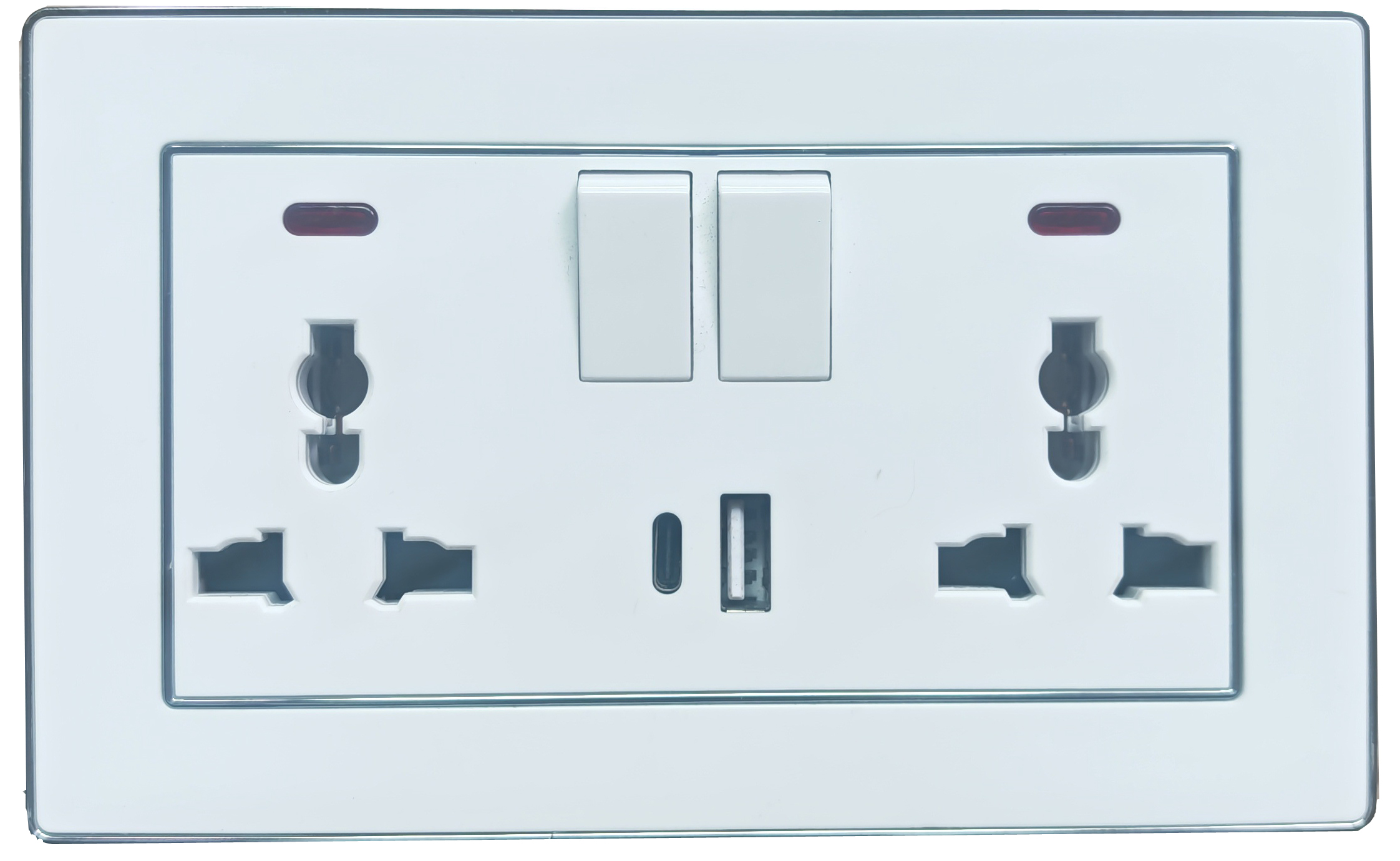
By definition, a USB wall socket is a power device that integrates a USB low-voltage DC output interface into a traditional wall socket.
It typically features the following characteristics:
• Includes both an AC jack and a USB interface
• Can directly power low-voltage electronic devices
• Contains an internal AC-to-DC power conversion module
• Used as a fixed wall socket
In other words, a USB wall socket is not simply a "socket plus interface," but an integrated power device.
What is a regular wall socket?
The core function of a regular wall socket is very clear:
• Provides AC mains power output
• Does not perform any voltage or current conversion
• Only responsible for "connection" and "conduction"
A regular socket is essentially a passive electrical interface; it does not actively participate in power processing but directly provides the mains voltage to external devices.
In contrast, a USB wall socket is an active electrical device.
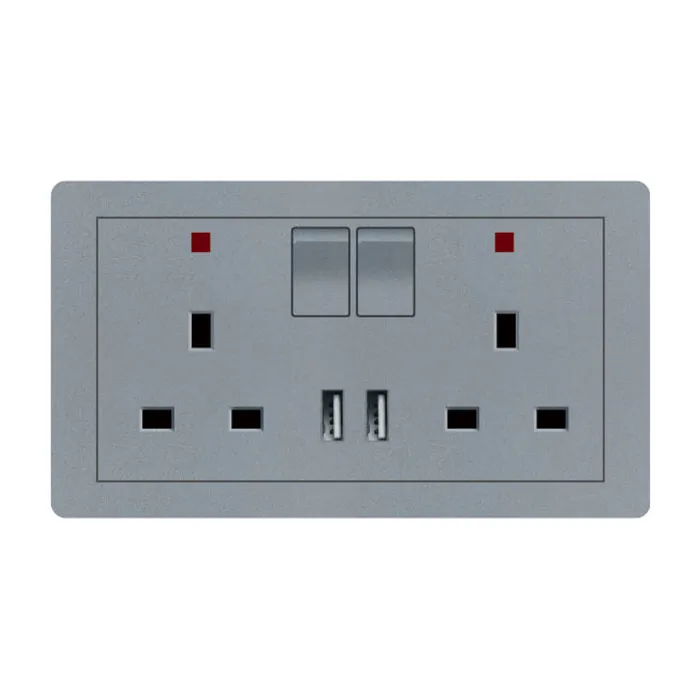
What are the structural differences between a USB wall socket and a regular socket?
This is one of the most fundamental and important differences between the two.
Internal structural features of a regular socket
• Metal conductive terminals
• Insulating support
• Housing
• Wiring terminals
Its structure is relatively simple, containing almost no electronic components.
Internal Structure Features of USB Wall Sockets
In addition to the complete structure of a regular wall socket, a USB wall socket additionally includes:
• Switching power supply or linear power module
• Rectification and voltage regulation circuits
• Control chip
• Filtering and protection components
This means that a USB wall socket is not just a socket, but also a small power system.
What are the differences in the electrical principles of USB wall sockets and regular wall sockets?
The key difference lies in the voltage type.
Regular wall sockets output:
• High-voltage alternating current (AC)
• Fixed voltage level
• Fixed frequency
External devices must perform voltage conversion themselves.
USB wall sockets output:
• Low-voltage direct current (DC)
• Voltage is internally converted and regulated
• Can be directly supplied to electronic devices.
Therefore, the USB wall socket itself performs the power conversion task originally done by the adapter.
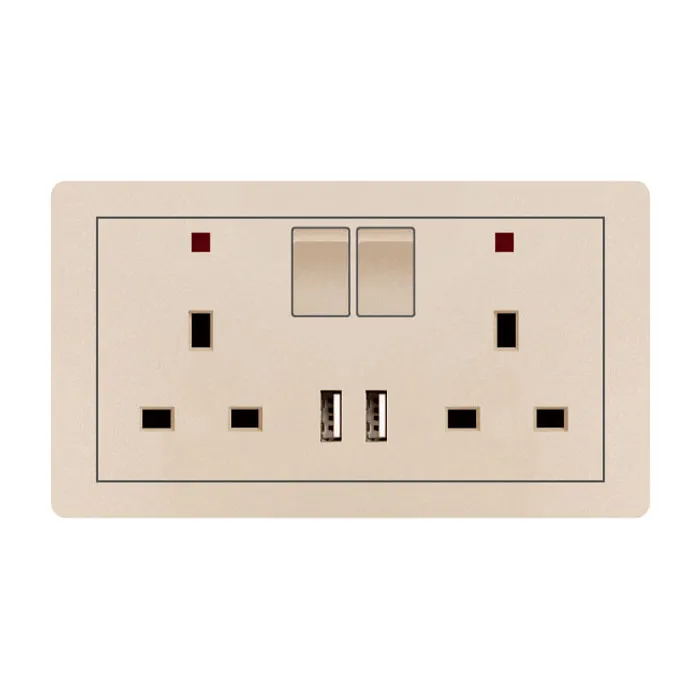
Can a USB wall socket completely replace a regular wall socket?
The answer is no.
While USB wall sockets offer more functionality, they cannot completely replace traditional wall sockets for several reasons:
• USB interfaces are only suitable for low-voltage devices.
• The number of AC sockets is typically limited.
• High-power devices still require traditional wall sockets.
Therefore, USB wall sockets are more of a supplement to traditional wall sockets than a replacement.
What are the differences in power handling between USB wall sockets and traditional wall sockets?
This is a question that many people easily confuse.
It's important to clarify that:
• The AC socket portion of a USB wall socket
• still follows the rated current and power of a traditional wall socket.
However, the USB interface portion:
• has a separate power limit.
• is determined by the internal power module.
Therefore, USB wall sockets actually have a "dual power system": one for AC output power and one for USB DC output power.
What are the differences in safety design between USB wall sockets?
From a safety design perspective, the safety requirements for USB wall sockets are actually higher, not lower.
Reasons include:
• Contains internal active electronic components
• Includes a continuously operating power module
• Requires simultaneous compliance with both high-voltage and low-voltage safety requirements
Therefore, compliant USB wall sockets typically feature:
• High-voltage/low-voltage isolation design
• Overcurrent and overvoltage protection
• Temperature rise control
• Flame-retardant housing
These are features rarely or not required in ordinary sockets.
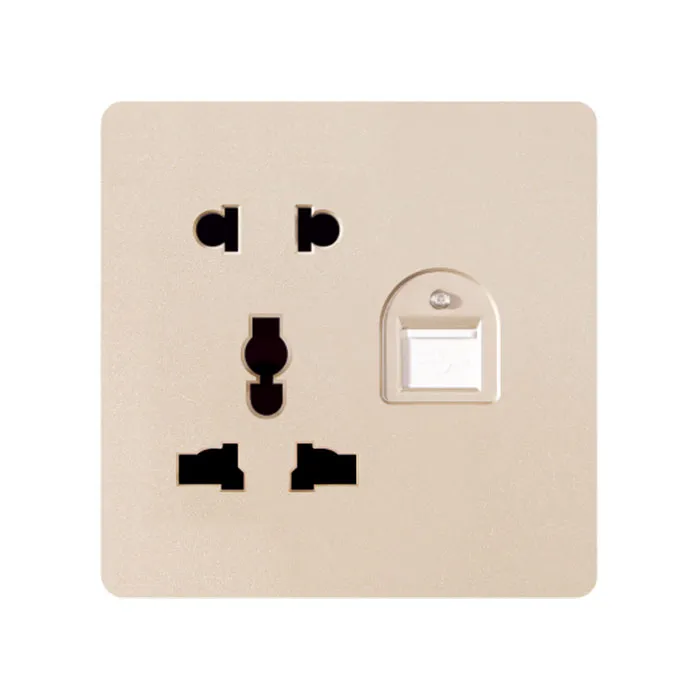
How does using a USB wall socket differ from using a regular socket?
The usage logic of a regular socket is very simple:
• Plug in the plug
• The device controls its own power consumption
The usage logic of a USB wall socket is different:
• Power is supplied simply by plugging in the USB cable
• The socket itself participates in power supply control
• Even without a load, some circuitry remains in standby mode
This also means that USB wall sockets must be designed with long-term power stability in mind.
Do USB wall sockets differ from ordinary sockets in terms of lifespan?
Theoretically speaking:
• Ordinary wall sockets are primarily affected by mechanical wear.
• USB wall sockets are also affected by the aging of electronic components.
However, it's important to emphasize that: Lifespan depends on design quality, not whether it has a USB port.
High-quality USB wall sockets, under normal use, fully meet the basic requirements for wall sockets.
Do USB wall sockets have higher requirements for the installation environment?
Due to the more complex internal structure of USB wall sockets, they typically:
• Are slightly deeper than ordinary wall sockets.
• Require more space in the wall mounting box.
• Are more sensitive to heat dissipation.
This is not a disadvantage, but rather determined by its structural characteristics.
What are some common misconceptions about USB wall sockets?
Misconception 1:
"A USB wall socket is just an extra port."
👉 In fact, it has a built-in complete power conversion system.
Misconception 2:
"USB wall sockets are definitely less safe than ordinary wall sockets."
👉 Safety depends on design and specifications, not the number of functions.
Misconception 3:
"USB wall sockets can be used like regular sockets."
👉 They still have their own independent power ratings and usage limitations.
What is the difference between a USB wall socket and a regular socket?
The fundamental difference between a USB wall socket and a regular socket lies not in their appearance, but in whether they integrate active power conversion functionality.
A regular socket is a "channel" for electrical energy,
while a USB wall socket is both a "processor" and a "channel" for electrical energy.
Understanding this point allows for a fundamental distinction between the two types of wall sockets and a more rational view of the functional and safety differences between USB wall sockets.
How does your company help reduce procurement costs for buyers?
We minimize procurement costs through efficient manufacturing, well-negotiated material sourcing and streamlined production processes. Buyers benefit from low factory prices, bulk-purchase discounts and seasonal promotions that lower overall project budgets. We also provide clear quotes that detail unit prices and cost savings based on quantity levels.
By working directly with a manufacturer rather than intermediaries, procurement teams can buy high-quality electrical products while maintaining low purchasing expenses and predictable supply schedules.
