


With the increasing variety of home electrical control methods, Wi-Fi smart wall switches are gradually entering the public eye. Compared to traditional mechanical wall switches, these products can not only control the circuit through physical buttons, but also achieve remote control, status feedback, and logic management through wireless networks.
However, precisely because it possesses both the attributes of an "electrical device" and a "networked device," many people raise a crucial question: Are Wi-Fi smart wall switches safe?
To answer this question, a simple "safe" or "unsafe" answer is insufficient. A multi-dimensional analysis is needed, including:
• Whether electrical safety standards are met
• Whether wireless communication is reliable
• Whether the internal structure complies with regulations
• Whether there are potential risks in the usage logic
This article will systematically and professionally explain the safety issues of Wi-Fi smart wall switches, helping you form a clear and rational understanding.
What is a Wi-Fi Smart Wall Switch?
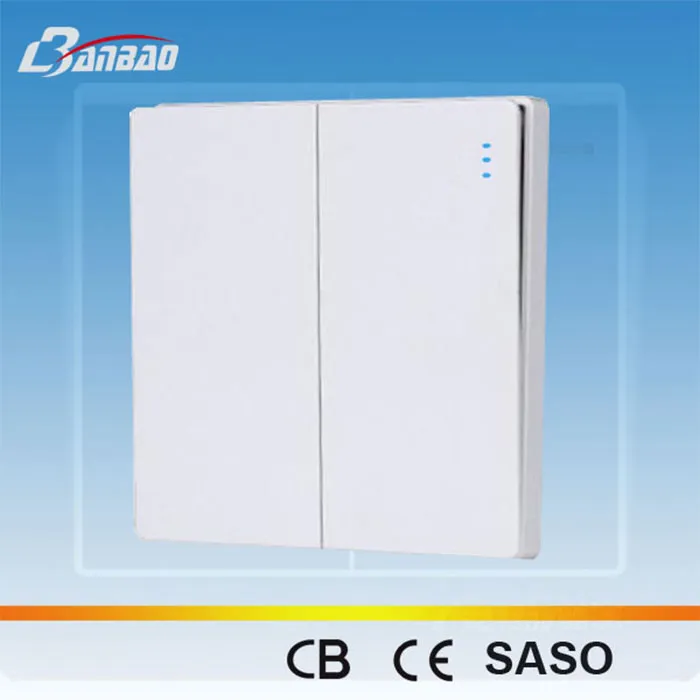
By definition, a Wi-Fi smart wall switch is an electrical control device that integrates a wireless communication module and electronic control circuitry into the traditional wall switch structure.
Compared to ordinary wall switches, Wi-Fi smart wall switches have at least the following characteristics:
• They still perform the basic on/off function of a wall switch.
• They have an internal low-voltage control circuit.
• They communicate with external systems via a Wi-Fi network.
• They typically control the load using relays or electronic switching components.
Because of the added electronic module, the safety of Wi-Fi smart wall switches cannot be judged solely on whether the switch works.
Are Wi-Fi smart wall switches electrically safe?
From an electrical safety perspective, the primary function of a Wi-Fi smart wall switch remains controlling AC loads. Therefore, it must meet the same basic requirements as a traditional wall switch:
• Defined rated voltage
• Defined rated current
• Standardized insulation distance
• Ability to withstand continuous switching operations
In terms of design, compliant Wi-Fi smart wall switches typically:
• Use mechanical relays or compliant electronic switching devices
• Isolate between high-voltage and low-voltage areas
• Ensure contact capacity is not less than the nominal load
As long as the rated parameters of a Wi-Fi smart wall switch match the circuit it controls, it is not electrically more dangerous than a traditional wall switch.
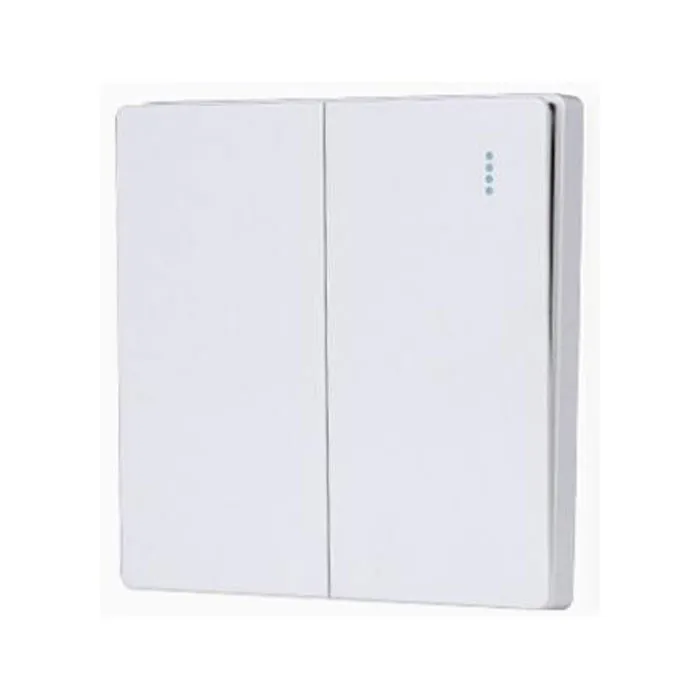
Will the Wi-Fi module affect the safety of the wall switch?
This is one of the main concerns many people have about Wi-Fi smart wall switches.
Structurally, the Wi-Fi module belongs to the low-voltage, low-voltage section, and its operating voltage is usually much lower than the AC mains voltage. To ensure safety, compliant Wi-Fi smart wall switches employ the following measures:
• Physical isolation between high-voltage and low-voltage areas
• Use of isolated power supplies or transformer modules
• Safe distance between the control board and the load
Therefore, as long as the design complies with electrical codes, the Wi-Fi module itself does not directly increase the risk of electric shock.
Are Wi-Fi smart wall switches more prone to overheating?
Compared to purely mechanical wall switches, Wi-Fi smart wall switches contain additional electronic components, inevitably generating extra heat. This heat primarily comes from:
• Power conversion module
• Wi-Fi communication chip
• The control circuit itself
However, it's important to clarify that properly designed Wi-Fi smart wall switches typically:
• Use low-power components
• Control overall power consumption within safe limits
• Use flame-retardant housing materials
• Implement heat dissipation through structural design
Under rated conditions, the operating temperature rise of a Wi-Fi smart wall switch is within a controllable range and does not automatically become unsafe simply because it is "smart."
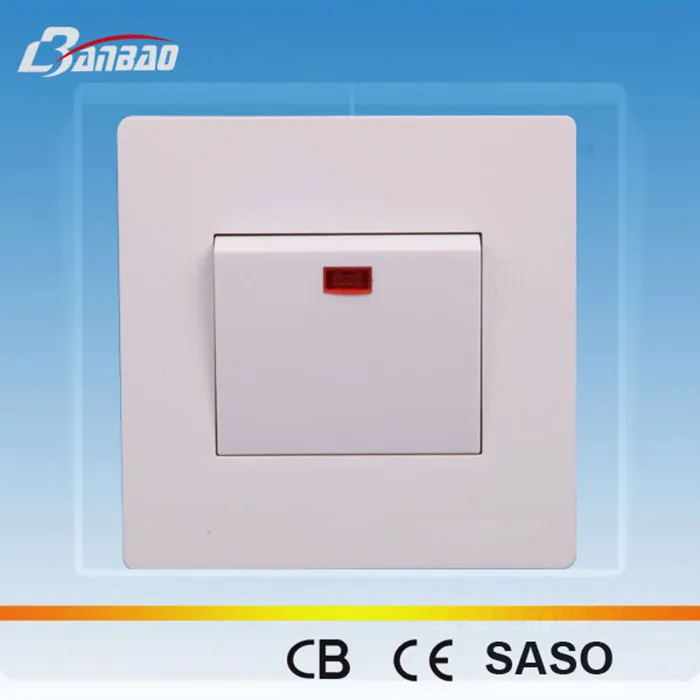
Is there any concern about the network security of Wi-Fi smart wall switches?
This is the most easily confused yet crucial point to clarify in the question, "Are Wi-Fi smart wall switches safe?"
It's important to understand that:
• Network security ≠ Electrical safety
• Data risk ≠ Electric shock or fire risk
From the device's perspective, Wi-Fi smart wall switches:
• Do not directly store high-value data
• Do not involve high-power information processing
• Network communication is primarily used for control commands
As long as the network configuration is reasonable, Wi-Fi communication does not directly affect the electrical safety of the wall switch.
Is a Wi-Fi smart wall switch safe during power outages or when the connection is lost?
This is a very important but often overlooked question.
In terms of design logic, compliant Wi-Fi smart wall switches typically follow these principles:
• Local physical control takes precedence
• Wireless communication is only used as an additional control method
• Network anomalies should not cause abnormal load switching
In other words:
A Wi-Fi smart wall switch should still function like a regular wall switch even without a network connection.
As long as this logic holds true, the presence of Wi-Fi will not reduce the basic safety of the wall switch.
Is the internal structure of a Wi-Fi smart wall switch more complex?
Wi-Fi smart wall switches are indeed more complex than traditional wall switches, mainly in the following ways:
• An additional control circuit board
• An additional power conversion module
• An additional communication antenna
However, "complexity" does not equate to "unsafety."
From an engineering perspective, as long as:
• Clear module division
• Reasonable isolation between strong and weak currents
• Compliant selection of key components
A more complex structure can actually improve control precision through electronic logic, rather than reducing safety.
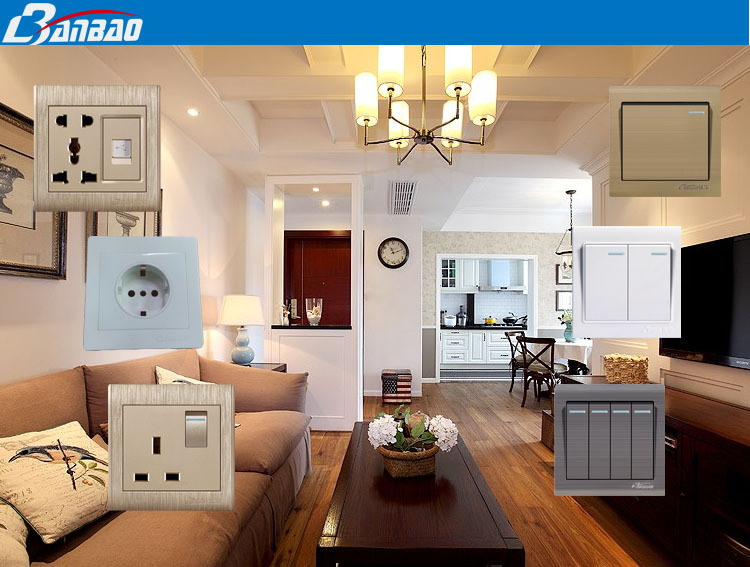
Are Wi-Fi smart wall switches more prone to failure?
Many people believe:
"Electronic products are always more prone to failure than mechanical products."
However, in the field of wall switches, this needs to be considered separately:
• Mechanical parts: still present, responsible for switching on and off
• Electronic parts: mainly responsible for control logic
In reality, it is the load contacts that experience the most frequent wear, and this part in Wi-Fi smart wall switches is usually not weaker than that in ordinary wall switches.
Do Wi-Fi smart wall switches meet the basic safety principles of wall switches?
The answer is: No, and it shouldn't be.
Regardless of whether it's smart or not, wall switches must adhere to the following basic safety principles:
• Operate within rated current limits
• Do not alter load characteristics due to control methods
• Maintain a clearly disconnected state when off
• Do not create uncontrollable switching in abnormal conditions
Compliant Wi-Fi smart wall switches are still designed based on these principles.
What are some common misconceptions about Wi-Fi smart wall switches?
Misconception 1:
“Wi-Fi smart wall switches are more prone to leakage.”
👉 The risk of leakage is related to wiring and insulation, not whether it's Wi-Fi.
Misconception 2:
“Connected devices are always unsafe.”
👉 Network risks and electrical risks need to be considered separately.
Misconception 3:
“The more smart features, the more dangerous.”
👉 Safety depends on design and parameters, not the number of features.
Are Wi-Fi smart wall switches safe?
In summary, considering all the above aspects, we can draw a rational and professional conclusion:
✔ Wi-Fi smart wall switches, provided they are designed compliantly and their parameters are matched, are a safe form of wall switch.
✔ They are not inherently inferior to traditional wall switches in terms of electrical safety.
✔ Wi-Fi communication itself does not directly increase the risk of electric shock or fire.
✔ The key to safety lies not in "whether it is smart," but in whether it complies with electrical codes.
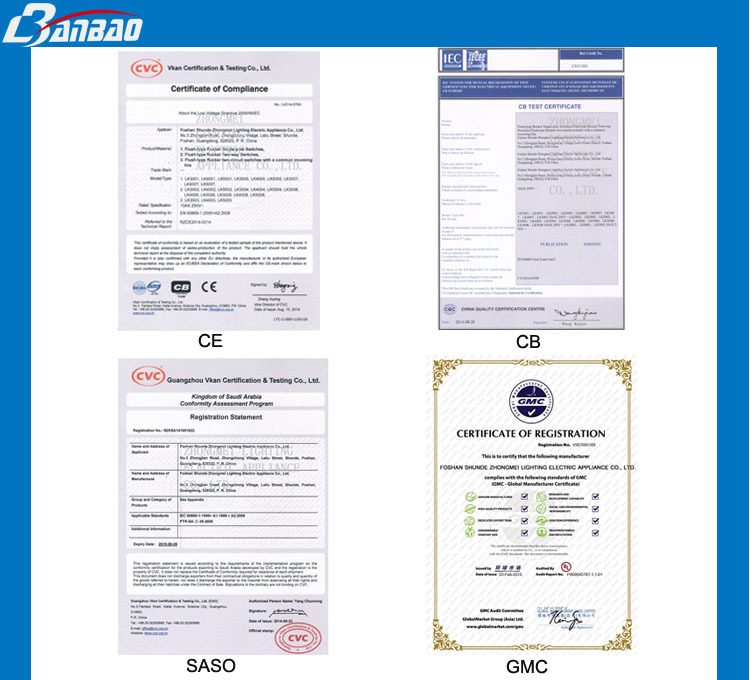
What safety standards do your lighting electrical appliances follow?
Our products adhere to strict electrical safety requirements and undergo thorough testing, including insulation, load endurance, heat resistance, and contact durability. We invest heavily in tools, inspection fixtures, and quality systems to maintain high reliability. Buyers can request test reports, certifications, and sample evaluations before bulk purchasing.
As a manufacturer committed to quality, we ensure all items meet performance benchmarks while keeping purchase prices competitive. Safety does not prevent us from offering promotional discounts and favorable wholesale rates.
