

In the UK and countries using the British electricity system, the 13A UK socket (compliant with BS 1363) is an extremely common type of household socket. Due to its widespread use in homes, businesses, and educational facilities, many users ask a crucial question: How many watts can a 13A UK socket handle?
Understanding its maximum load capacity, continuous operating power, structural design principles, and electrical safety regulations is essential for the proper use of household appliances, avoiding socket overload, and improving daily electrical safety.
This article will provide a comprehensive analysis of this topic from an electrical professional perspective, systematically explaining the "13A UK socket" to help readers build a clear and reliable knowledge base.
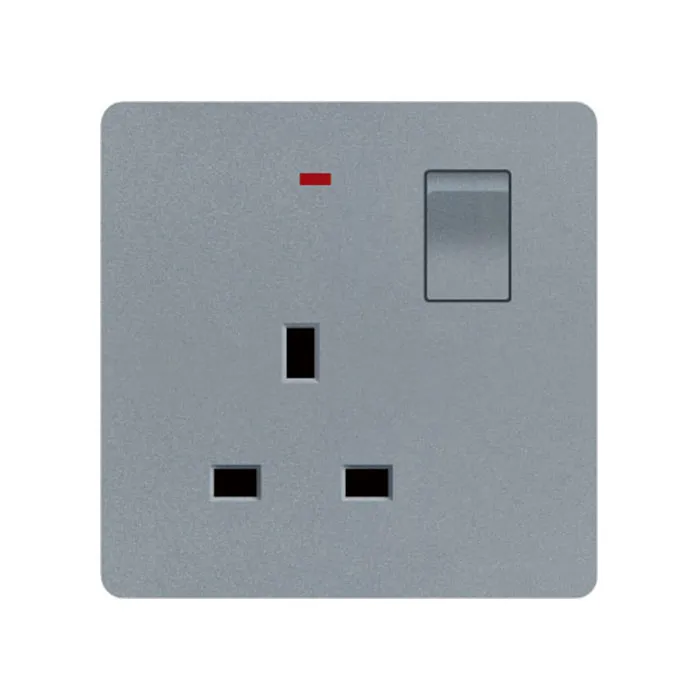
Why should you understand the load limits of a 13A UK socket?
Firstly, sockets are not unlimited in their power supply; all sockets have clearly defined ampere and wattage limits. Exceeding its capacity may lead to plug overheating, insulation aging, fuse blowing, and even endangering electrical safety.
Secondly, British households have many high-powered appliances, such as electric kettles, heaters, ovens, and hair dryers. These appliances often have power ratings close to the socket's limit, making understanding standard limits crucial for safe use.
Finally, many people use multi-outlet power strips to connect multiple devices to the same 13A UK socket. This further necessitates understanding its total power limit to avoid overloading.
Understanding maximum power limits ensures a stable, safe, and compliant home electrical environment in the long term.
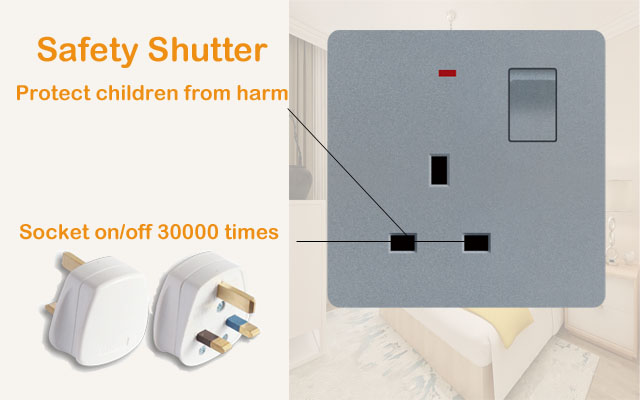
How is the load power of a 13A UK socket calculated?
To calculate the maximum wattage a socket can handle, you must start with the basic electrical formula:
Power (W) = Voltage (V) × Current (A)
The standard voltage in the UK is 230V (with a permissible range of 230V ±10%), and the rated current of the socket is 13A.
Therefore, the theoretical power is:
230V × 13A = 2990W (approximately 3kW)
In other words, mathematically speaking, the theoretical maximum load power of a 13A UK socket is approximately 2990W.
For ease of memorization, most professional installers usually simply state:
Maximum power of a 13A UK socket ≈ 3000W
While the calculation is relatively simple, this is only a theoretical limit and does not mean the socket can operate at this power continuously.
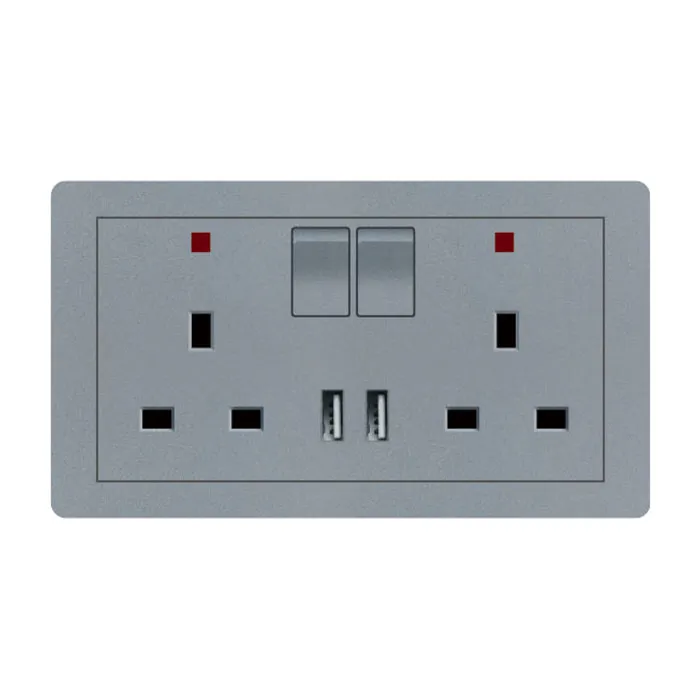
What is the theoretical maximum wattage of a 13A UK socket?
Based on the formula derivation and national standards, the theoretical maximum wattage of a 13A UK socket is: 2990W (at standard voltage).
This is the peak power the socket can withstand under normal conditions, but it is not a recommended range for continuous operation.
This theoretical value is affected by the following factors:
• UK standard voltage (230V)
• Rated current of the BS 1363 socket
• Thermal load design of the internal copper contacts
• Rated current of the plug's built-in fuse
In other words, 2990W is a safe theoretical value based on design parameters, and in actual use, continuous heat accumulation and environmental conditions must also be considered.
Why is it not recommended to operate a 13A UK socket at maximum power for extended periods?
Although the theoretical maximum load is close to 3000W, professional electrical and appliance manufacturing standards do not recommend that sockets operate at their maximum value for extended periods.
The reasons are as follows:
1. Heat accumulation increases risk
The metal contact points inside the socket heat up rapidly when approaching 13A current. Maintaining a high load for a prolonged period may lead to:
• Slight deformation of the copper contacts
• Increased contact resistance
• Heat buildup
• Shortened overall lifespan of the socket
Prolonged use near 13A will cause the internal materials to operate under thermal stress for extended periods, which is detrimental to safety.
2. Plug Fuses Have Time-Current Characteristics
The fuses built into the plugs of 13A UK sockets (typically 13A fuses) become more prone to overheating when operating near maximum current for extended periods. While the fuse doesn't melt instantly, it approaches its trigger threshold more quickly under prolonged load, affecting its lifespan.
3. Cables and In-Wall Wiring Are Also Affected
The in-wall cables connected to the sockets are typically 2.5mm² copper wire. While this has a high load-carrying capacity in UK loop circuits, continuous operation near maximum load adds extra thermal stress to the wiring when ambient temperatures rise or heat dissipation is insufficient.
4. Standards Require Safety Margins
Standards are not designed to allow appliances to operate at maximum load 24/7, but rather to provide an upper limit for short-term high loads, while also allowing for margins in case of appliance failure, inrush current, or other abnormal situations.
Therefore, the theoretical maximum value does not equal the long-term safe value.
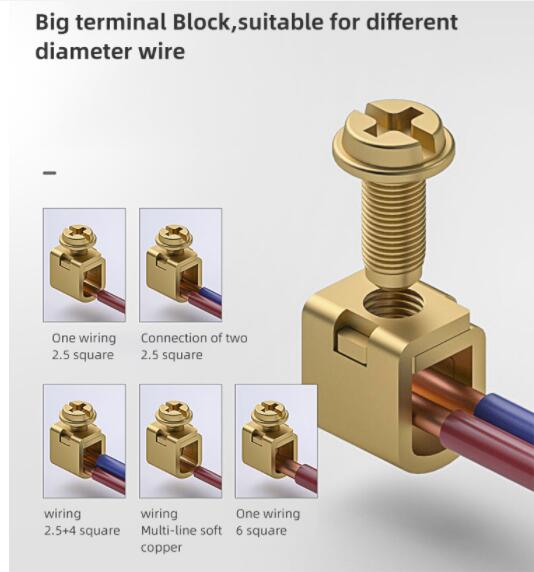
What is the safe operating load range for a 13A UK socket?
To ensure safety, professional electricians generally recommend that the safe continuous load of a 13A UK socket should be controlled between 2500W and 2800W.
This ensures:
• The socket does not overheat
• The plug fuse operates within safe limits
• The temperature rise of the wall wiring is within a controllable range
• The socket has a longer lifespan
In other words, although the maximum load of a socket can reach 2990W, for safe daily use, devices should be operated at a power level slightly below the limit.
How many watts can a 13A UK socket handle when multiple devices are used simultaneously?
Many users like to use extension leads to connect multiple devices to the same socket, which can raise a critical question:
How should the total power of multiple devices be calculated?
The answer is very simple: The total power of all devices should not exceed 2990W (theoretically) or approximately 2800W (recommended value).
A 13A UK socket itself only has a current limit of 13A; regardless of the number of sockets on the extension lead, the total current is still limited by the socket itself. For example:
• 1500W + 1000W + 500W = 3000W → This has reached the socket's limit and is unsafe.
• 1200W + 800W + 600W = 2600W → Within safe limits.
In summary: A socket can never become more powerful "because of the number of outlets on the power strip"; its upper limit is always 13A.
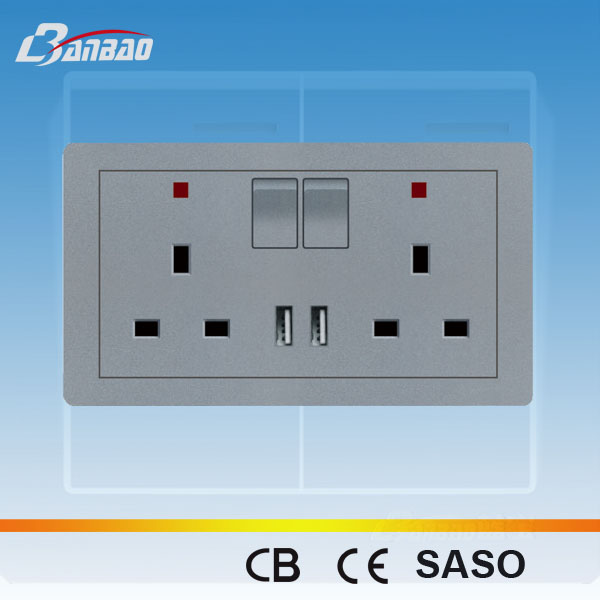
Why is the 13A load limit so emphasized for UK sockets?
Compared to socket systems in other countries, the UK electrical system places great emphasis on safety, especially the built-in fuse mechanism in the plug.
The functions of the built-in fuse in the plug include:
• Preventing excessive current from flowing into the socket due to internal short circuits in the appliance.
• Protecting the socket from abnormal current surges.
• Quickly cutting off power in case of cable damage or equipment overload.
• Limiting unsafely high currents that cables can withstand.
These protective functions dictate that the safe operating range of the socket must strictly adhere to the 13A limit.
In other words, understanding the load limits of the 13A UK socket is the basis for understanding this safety system.
What makes your switches and sockets suitable for modern lifestyles?
Our wall switches and sockets are designed with modern lifestyles in mind — combining streamlined looks, reliable electrical performance and integrated safety features. The product lineup emphasizes decorative harmony and functional unity across rooms, enabling consistent finishes and user experience.
For buyers and suppliers, this translates to product families that simplify purchasing and merchandising. Our factory pricing allows retailers and contractors to buy stylish, high-quality units at competitive rates, while manufacturers’ guarantees ensure long-term reliability for end-users.
