

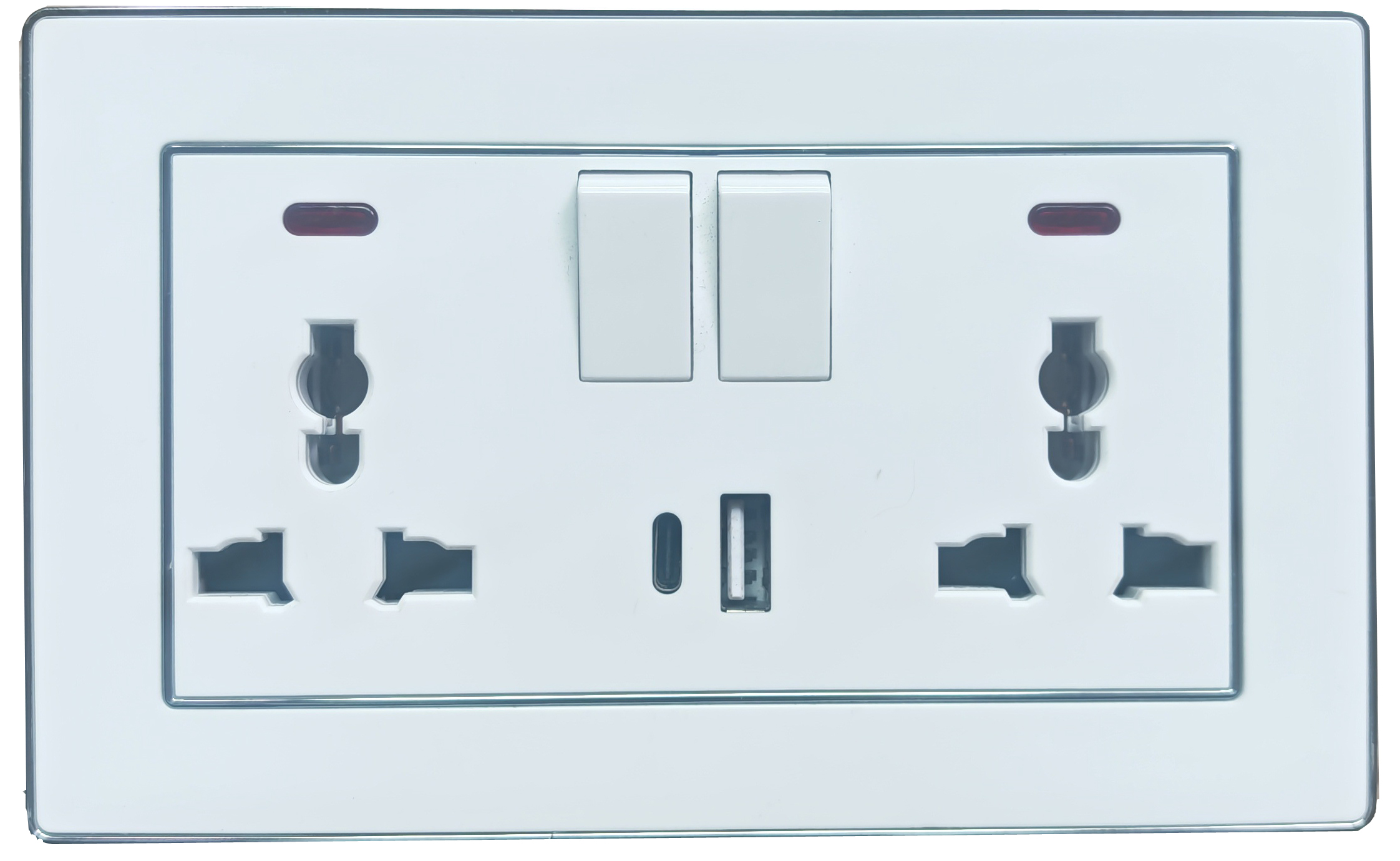
In the UK and indeed in all countries using the British Standard electricity system, the most common, essential, and representative socket is the 13A UK socket. These sockets are widely used in residential, commercial, educational, hotel, and public buildings, forming a fundamental component of the UK electrical system.
Because the UK adopts the BS 1363 national standard, almost all sockets encountered in British households are of the 13A standard.
Therefore, clearly understanding what a 13A socket is used for in the UK is extremely important for those engaged in electrical engineering, cross-border e-commerce, product design, export trade, or those planning to use electrical appliances in the UK.
This article will provide an in-depth explanation, comprehensively analyzing the uses of the 13A UK socket from the perspectives of standard current, usage scenarios, and applicable equipment, giving you the most complete, professional, and systematic understanding.
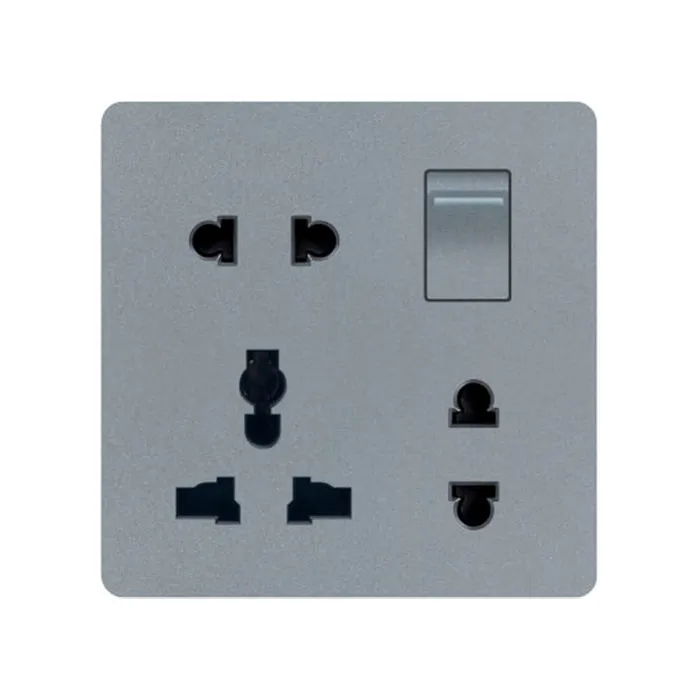
What is a 13A UK socket?
Why has it become the default standard in British households?
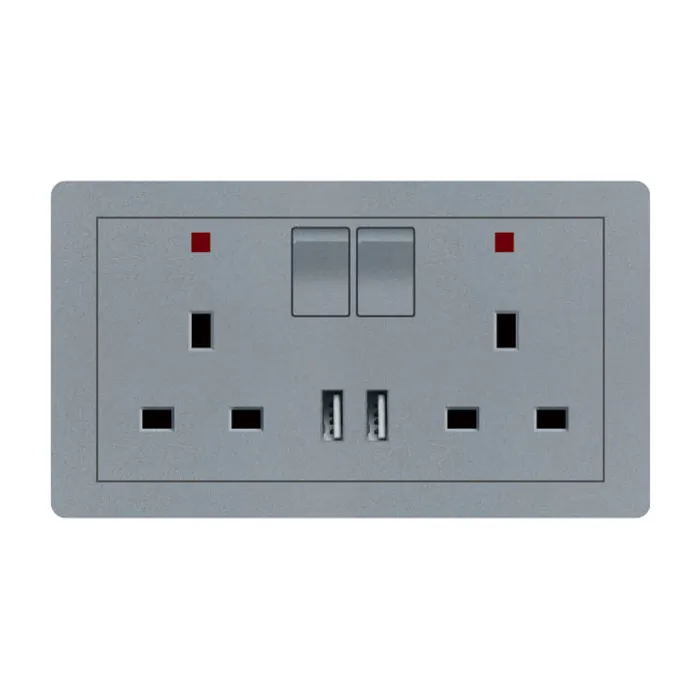
In the UK, 13A UK sockets are installed by default in ordinary residential and commercial buildings. It belongs to the BS 1363 standard, the most important household power interface specification in the UK.
The term 13A refers to the socket's rated current capacity of 13 amps. Based on the UK's AC 230V voltage, 13A means the socket can provide a maximum power of approximately 2990W (about 3kW), which is sufficient for most household appliances in the UK.
Due to historical reasons, electrical design logic, and the consistency of appliance power structures, the 13A UK socket has become the mainstream power interface in the UK and a core component of the British Standard system.
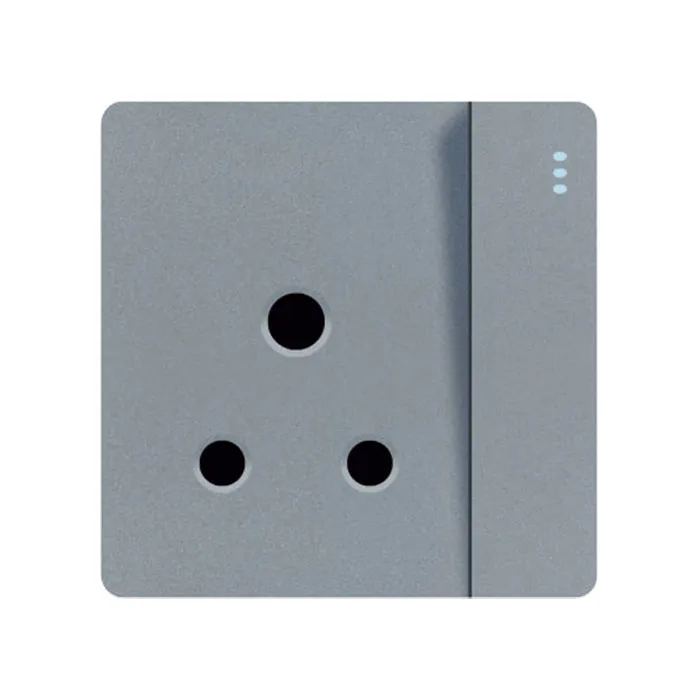
What are 13A sockets mainly used for in the UK?
The 13A UK socket has a wide range of uses; almost all appliances in homes and offices are connected to this socket. This section will explain the practical uses of the 13A UK socket in detail.
1. Powering everyday household appliances
This is the most core and common use.
Most household appliances in the UK are medium to high power devices, and the 13A UK socket can provide close to 3000W of power output. Therefore, it is suitable for a wide variety of common household appliances.
For example:
• Kitchen appliances: electric kettle, microwave oven, rice cooker, toaster
• Household cleaning: vacuum cleaner, iron, steam cleaner
• Personal care: hair dryer, electric shaver (except for some shaver sockets)
• Entertainment equipment: television, stereo system, set-top box, router
• Office appliances: computer, monitor, charger, small printer
These devices typically have power ratings ranging from several hundred watts to three kilowatts, and the 13A UK socket perfectly covers and meets these needs.
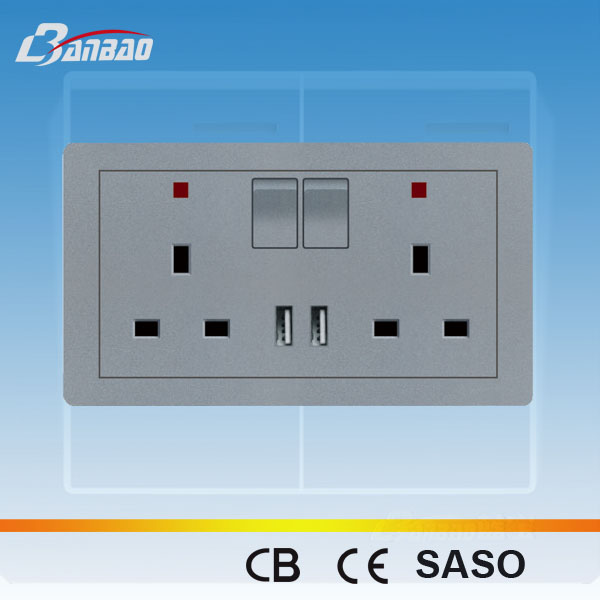
Why do most appliances in the UK use 13A UK sockets?
There is a highly consistent design logic between British appliances and sockets; this system is perfectly centered around the 13A UK socket. Why do British appliances primarily use this type of socket?
1. 3kW Power Range Meets Most Household Needs
UK residents commonly use high-power heating appliances such as electric kettles, heaters, and toasters. Insufficient socket current will prevent these appliances from operating properly. The 13A output limit, close to 3000W, perfectly meets the power requirements of these frequently used appliances.
2. Built-in Fuse, Designed Entirely for the 13A Standard
UK plugs must have built-in fuses, commonly in the following sizes:
• 3A
• 5A
• 13A
These fuses are designed to match the 13A UK socket, ensuring a unified safety system between appliances, plugs, and sockets.
3. Socket and Wiring System Designed Based on 13A
UK household circuits often use ring circuit wiring, supporting multiple 13A sockets operating simultaneously. The entire system is built around this standard, ensuring consistency and interoperability between devices, power interfaces, and household wiring.
Why are 13A UK sockets so widely used in the UK?
Many people ask, "Why not 10A or 16A? Why 13A specifically?" This is closely related to the UK's unique electrical system.
1. 13A is the optimal current for 230V voltage
230V × 13A ≈ 2990W. This power rating is just right for most household appliances without causing excessive overheating of the wiring.
2. High safety requirements
The UK has one of the strictest electrical safety regulations in the world, and many design features of the 13A UK socket (including safety shutters, grounding priority, and plug fuses) are designed around achieving optimal performance at the 13A current level.
3. Historical continuity
Since its introduction in 1947, BS 1363 has been the cornerstone of the industry, widely recognized and still essential.
Frequently Asked Questions: What devices can a 13A UK socket power?
1. Low-power appliances (100W-500W)
• Router
• Night light
• Mobile phone charger
• Monitor
These appliances will not experience any issues using a 13A UK outlet.
2. Medium-power appliances (500W-1500W)
• Television
• Small fan
• Kitchen blender
• Vacuum cleaner
These appliances operate very stably on a 13A outlet.
3. High-power appliances (1500W-3000W)
This is the most common type of appliance in British households:
• Electric kettle
• Toaster
• Electric heater
• Hair dryer
These appliances are very common in the UK, and they all require a 13A UK outlet to operate reliably.
Why do high-power appliances in the UK rely so heavily on 13A UK outlets?
The UK has a cool, damp climate with long winters, leading to the widespread use of heating appliances in households. These appliances are typically high-powered, even approaching the maximum power limit of the outlet. Therefore:
• 10A sockets cannot provide sufficient power.
• Industrial-standard sockets are unsuitable for home environments.
• European standard 16A sockets lack fuse protection and do not conform to British safety principles.
The 13A UK socket strikes the best balance between power supply capacity, safety, and practicality.
What are some typical locations in British homes where 13A sockets are used?
Although you requested no case studies, I will use scenario descriptions to maintain objectivity and professionalism.
1. Kitchen
British kitchen appliances are high-powered, including:
• Kettle (2500W)
• Toaster (1500W)
• Microwave (1000W)
Almost all of these kitchen appliances rely on 13A UK sockets for power.
2. Bedroom and Living Room
Common electronic and entertainment devices:
• Television
• Computer
• Charger
• Audio system
All rely on 13A sockets.
3. Office
Office equipment is typically of medium power:
• Monitors
• Computer towers
• Printers
• Routers
They all use the British standard 13A socket.
Why does the UK choose to have a fuse on every plug?
The UK's safety philosophy differs significantly from most countries.
In many countries, fuses or circuit breakers are located in the distribution box, while the UK uses:
• The distribution box protects the entire circuit
• Plug fuses protect each device
• 13A UK sockets establish a safety interface
This system offers extremely high safety, ensuring that any device experiencing overcurrent can be independently protected by the plug fuse without affecting the entire household circuit.
Can 13A UK sockets be used in other countries?
The answer is conditional.
1. If the local voltage is 220–240V
For example, in mainland China, most European countries, Singapore, etc., British standard sockets can be used.
✔ British standard plugs must be used. Non-British standard plugs cannot be directly inserted.
2. Must comply with local regulations
Some countries prohibit the use of different types of sockets in residential homes.
3. Cannot be used directly in 110–120V countries
For example, the voltage is incompatible with the US and Japan.
Why is the 13A socket considered one of the safest residential sockets in the world in the UK?
Because it has the following unique features:
1. Shutter mechanism
The socket hole has a protective shutter to prevent accidental insertion of foreign objects.
2. Grounding terminal priority contact
The grounding terminal makes the first contact when the plug is inserted, ensuring safety.
3. Built-in fuse in the plug
This is a very rare structural design in other countries, effectively protecting each appliance.
4. High-standard materials
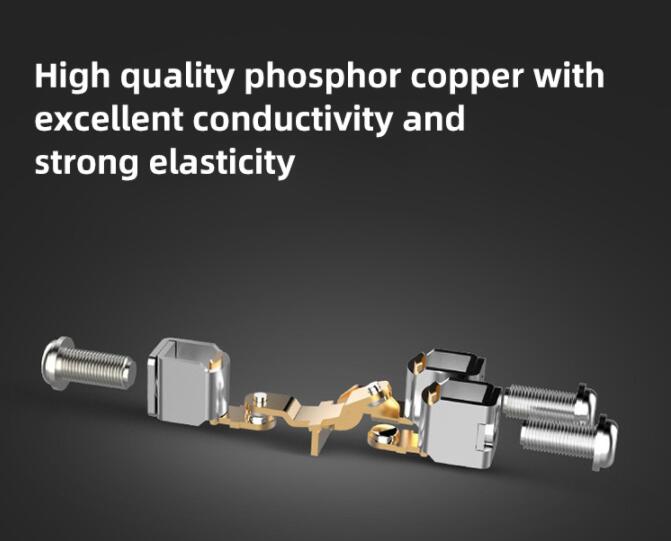
The copper components are thick, heat-resistant, and have stable conductivity.
5. Most sockets have an independent switch
Power can be directly cut off, further enhancing safety.
These features make the 13A UK socket extremely safe among household sockets worldwide.
What are the uses of a 13A socket in the UK?
The 13A UK socket is the most common and essential household socket in the UK, based on the BS 1363 standard. It's primarily used to power all household and office appliances, covering low-, medium-, and high-power devices.
The power rating of UK electrical appliances is designed around the 13A socket, with the vast majority of appliances having a power rating below 3000W. It forms the foundation of the UK's electrical safety system and is a core interface in the UK's electrical infrastructure.
How does your R&D investment benefit buyers seeking new designs?
We invest yearly in research and development to create products that meet modern demands for functionality, safety, consistency, and aesthetics. For buyers, this means access to the latest functional features, updated materials, and refined surface treatments that reflect current interior design trends. Purchasing directly from our manufacturer helps buyers obtain new designs at lower prices compared with middlemen, and we often offer promotional pricing for launch orders.
