


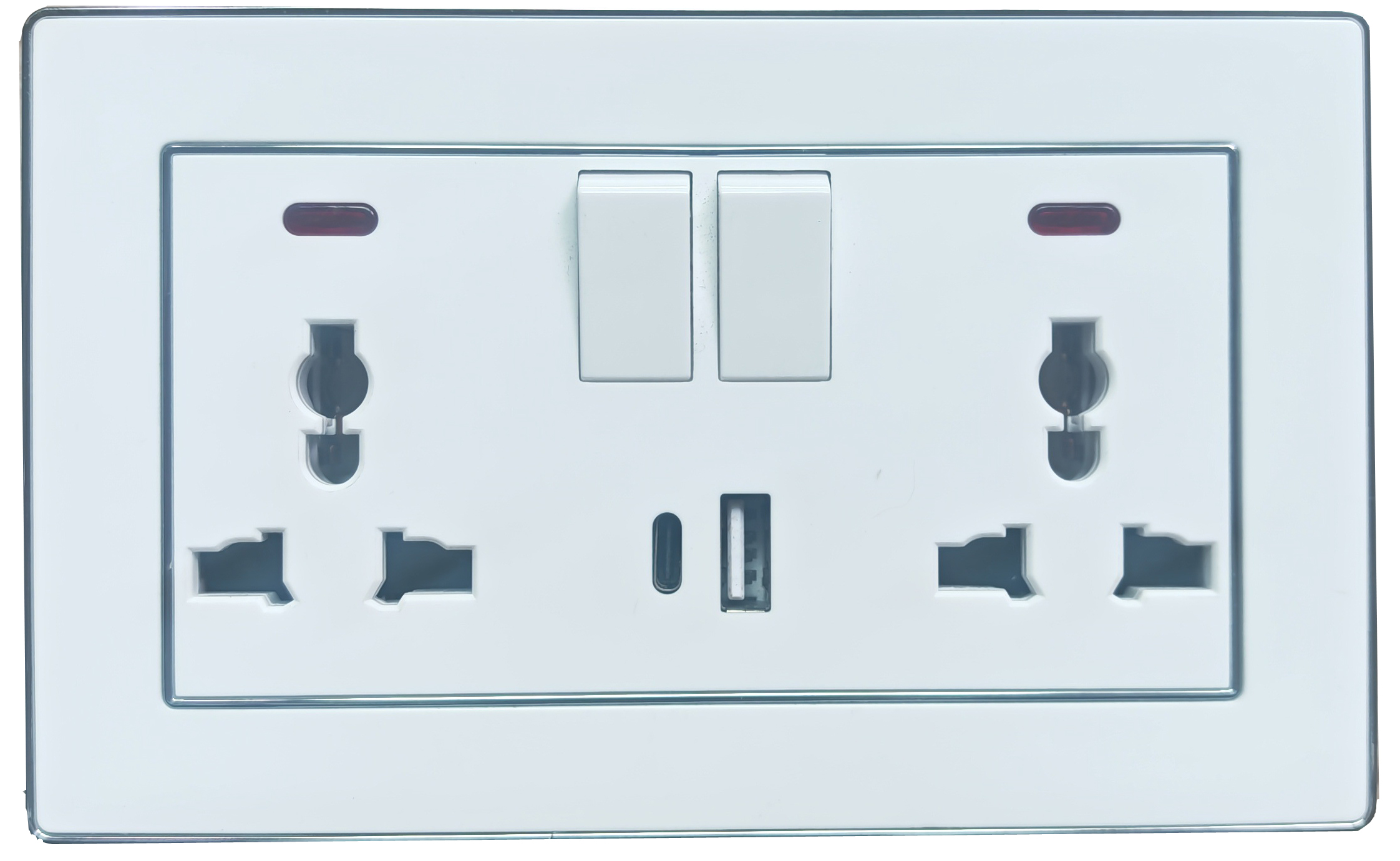
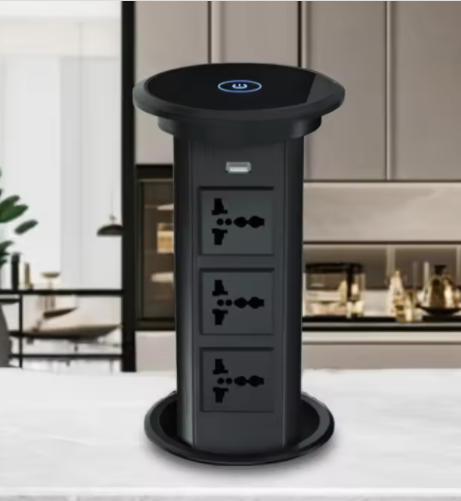
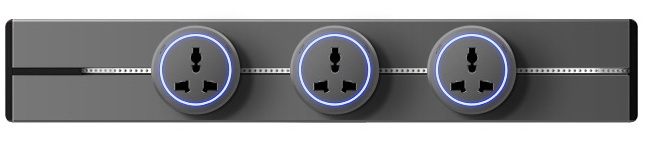
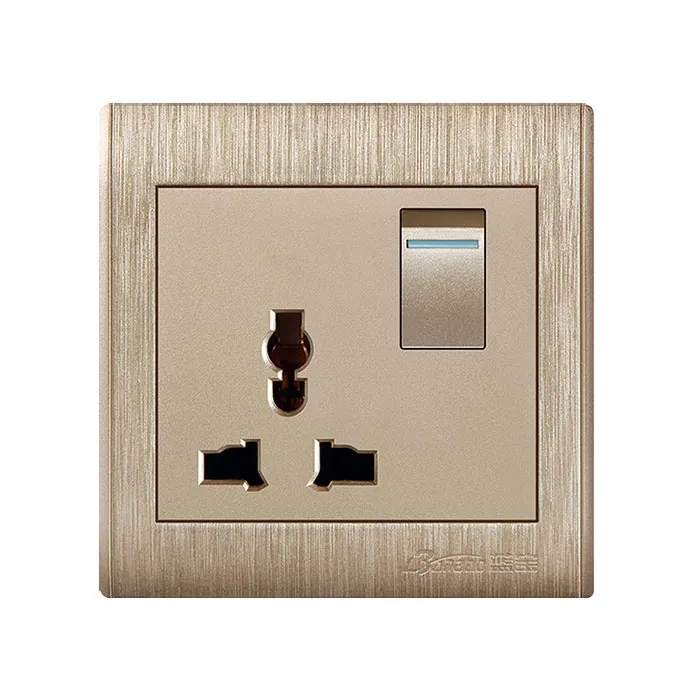
In the field of electrical installation, the 20A DP (Double Pole) wall switch is a common and important control device, especially suitable for the isolation control of high-power equipment.
Unlike ordinary single-pole switches, 20A DP wall switches can simultaneously disconnect the live and neutral wires. Their characteristics, safety advantages, and wiring principles differ from ordinary switches. Therefore, understanding their structure and connection methods is crucial before installation or use.
This article will provide a detailed professional explanation from multiple perspectives, including working principles, circuit structure, wiring logic, usage conditions, standard requirements, and safety precautions.
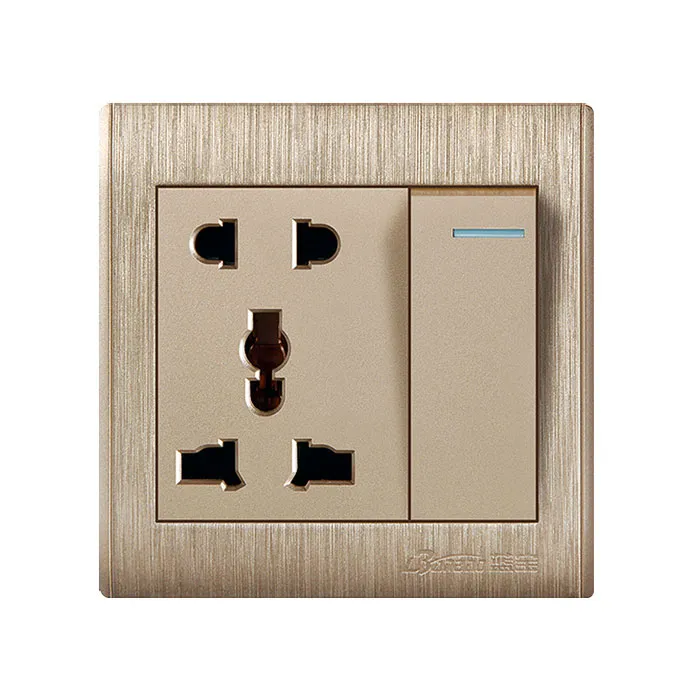
What is a 20A DP Wall Switch?
"20A" represents the rated current of the switch being 20 amps, while "DP" stands for Double Pole.
The core features of a 20A DP wall switch include:
• Capable of carrying a larger current (20A), suitable for controlling high-power equipment
• Simultaneously disconnects the live and neutral wires, improving isolation safety
• Commonly used for individual control of electric heating, motor, and high-power equipment
• Suitable for scenarios requiring complete power disconnection
Compared to single-pole switches that only disconnect the live wire, 20A DP wall switches offer higher electrical isolation, making them suitable for controlling appliances requiring high safety levels, such as electric heaters, kitchen appliances, bathroom heating devices, and small air conditioners.
Why use 20A DP wall switches for high-power appliances?
This is related to safety, load capacity, and circuit isolation capabilities.
1. 20A DP wall switches can carry large currents
The starting current of large appliances is often much higher than that of ordinary lighting circuits. If ordinary 10A or 16A switches are used, the internal contacts may overheat, deform, or be damaged due to overload.
2. Double-pole disconnection enhances safety
A 20A DP wall switch simultaneously disconnects both the live and neutral wires. When the switch is off:
• Appliances are completely isolated from the power source.
• Maintenance is safer.
• There is no risk of electric shock from a "live circuit".
This is especially important for high-power equipment.
What is the wiring principle of a 20A DP wall switch?
To understand "how to connect a 20A DP wall switch," you must first understand its internal wiring principle.
A 20A DP wall switch generally contains two independent switching units:
• The first pole disconnects the live wire (Live).
• The second pole disconnects the neutral wire (Neutral).
Both poles operate simultaneously, meaning they disconnect or connect simultaneously.
The internal structure can be summarized as:
Live wire: L IN → L OUT
Neutral wire: N IN → N OUT
This design ensures that the equipment is completely de-energized, not just the live wire.
What basic electrical knowledge is needed when connecting a 20A DP wall switch?
To safely understand the wiring of a 20A DP wall switch, it's essential to grasp the following basic concepts:
1. Live Wire (L)
Responsible for supplying power to the device; this is the main line the switch needs to disconnect.
2. Neutral Wire (N)
The other end of the circuit. Normally, its potential is close to ground, but it's still part of the electrical connection and therefore needs to be disconnected in high-power devices.
3. Ground Wire (E)
Used for protective grounding. It doesn't pass through the switch contacts, but the switch panel may provide a ground terminal to ensure the metal frame is grounded.
4. Load
The device controlled by the switch, such as a water heater, fan, kitchen appliances, etc.
Understanding these basic concepts is crucial for understanding the wiring logic of a 20A DP wall switch.
What are the typical terminals of a 20A DP wall switch?
While the wiring layout may vary between brands, a typical 20A DP wall switch usually includes the following terminals:
• L IN (Live Input)
• L OUT (Live Output)
• N IN (Neutral Input)
• N OUT (Neutral Output)
• E / Earth (Ground Terminal) – if the switch housing has a metal structure
These terminal names are clearly labeled to avoid wiring confusion.
What is the wiring logic for a 20A DP wall switch?
Due to the safety risks associated with electrical operation, this section does not provide any step-by-step instructions, but it does offer a "logical understanding" to help readers grasp the wiring method conceptually.
The following content is based entirely on circuit understanding, not actual operational steps.
1. Connect the input terminal (IN) to the cable from the power supply
• Live Wire → L IN
• Neutral Wire → N IN
This is the line from the mains power supply.
2. Output Terminal (OUT) Connected to Device
• L OUT → Device Live Wire Terminal
• N OUT → Device Neutral Wire Terminal
When the switch is in the ON state:
• L IN and L OUT are connected
• N IN and N OUT are connected
The device receives power.
3. Ground Wire (E) is used only for protective grounding
The ground wire does not pass through the switch contacts but is directly connected to a metal component or protective terminal.
This wiring logic ensures that when the switch is OFF:
• The live wire is disconnected
• The neutral wire is also disconnected
• The device is completely isolated, with no possibility of residual liveness.
What safety precautions should be taken when connecting a 20A DP wall switch?
Even without actual operation, it is essential to understand the relevant electrical regulations to comprehend its wiring safety.
1. A 20A DP switch must be used in a circuit of the appropriate specification
It is not suitable for all circuits but is designed for high-power devices.
2. All wires must be clearly labeled
The colors and functions of the live, neutral, and ground wires must be clearly defined to avoid incorrect wiring.
3. Power off is a prerequisite for operation
Any understanding of wiring must be based on the premise that the circuit is completely disconnected.
4. Use wire specifications that match the current
20A loads typically require thicker wires, which is part of electrical standards.
5. Do not confuse output terminals with input terminals
Understanding the meaning of IN and OUT is crucial; otherwise, the device may not be controlled correctly.
What is the correct order for connecting the live and neutral wires to a 20A DP wall switch?
Reasons include:
1. Input and output terminals are in different locations and have different functions.
2. The live wire must enter from the input terminal to be cut off by the switch.
3. If the wiring is reversed, the switch may not achieve its isolation function.
4. compliant wiring methods must ensure that the live and neutral wires are completely disconnected when disconnected.
Correctly understanding the wiring sequence is essential for electrical safety.
Can a 20A DP wall switch be used in all household circuits?
Generally speaking:
• A 20A DP wall switch is very suitable for high-power household appliances (such as electric heating devices and kitchen appliances).
• Using a 20A DP wall switch is not necessarily harmful for lighting, fans, and low-power appliances, but the specification is relatively high.
Whether the choice is suitable depends on the actual circuit requirements.
Frequently Asked Questions: Does a 20A DP wall switch require a ground wire?
The ground wire on a 20A DP wall switch is typically used for:
• Grounding the metal casing
• Providing safety protection for the device's mounting panel
• Preventing the risk of leakage current
The ground wire does not participate in the switch's control action; it exists as a protective circuit.
