


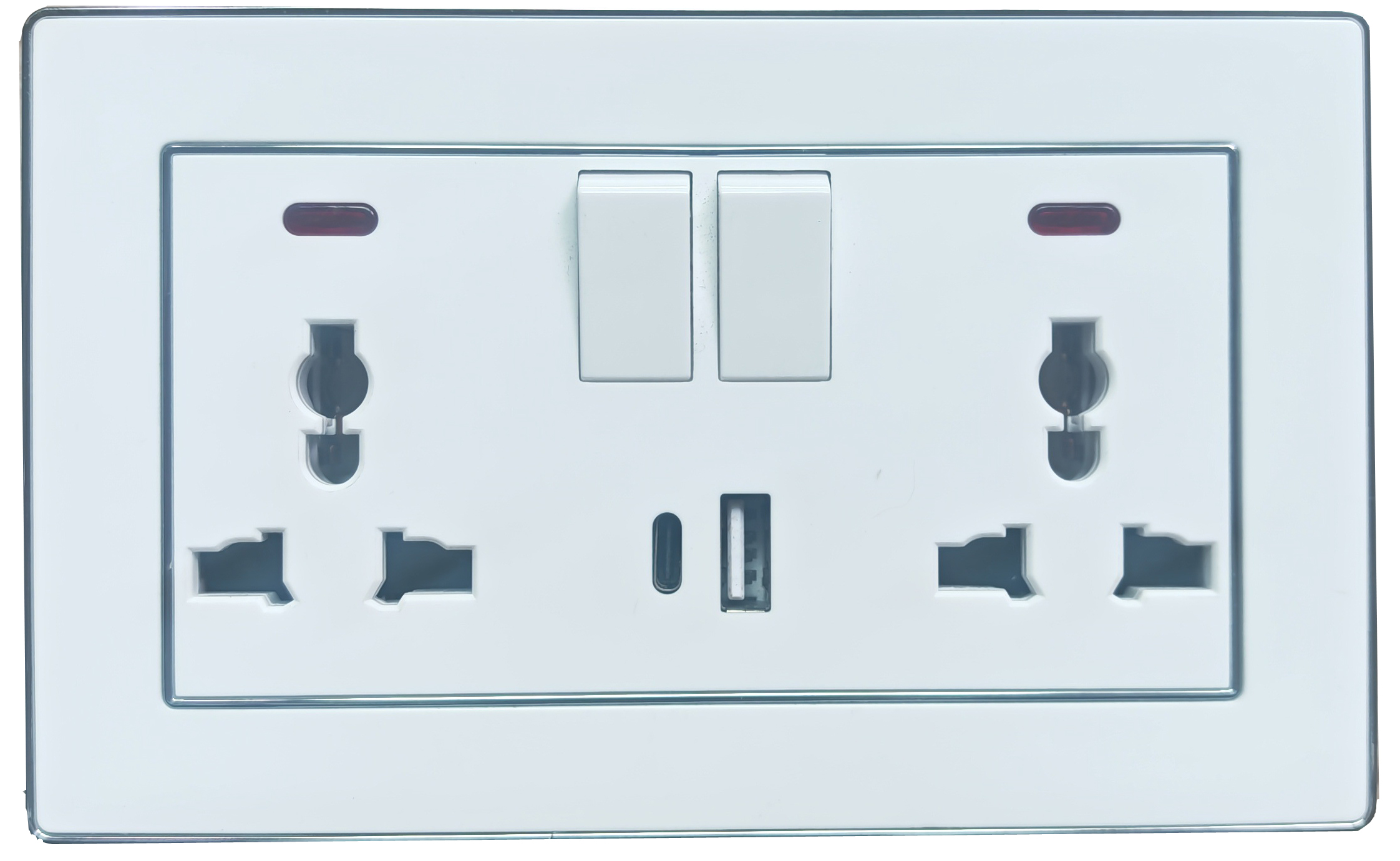
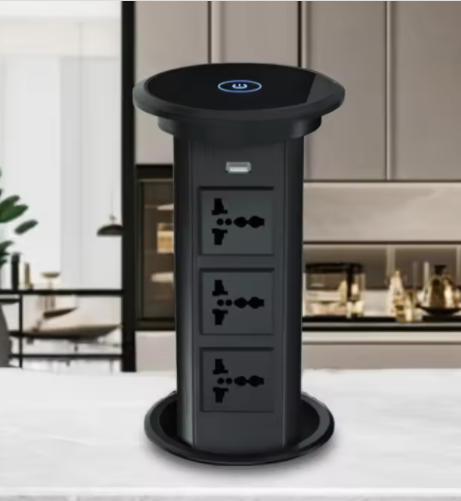
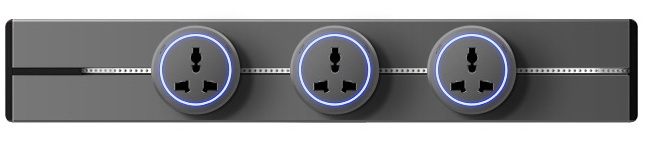
When discussing the UK's electrical system, people usually think of the BS1363 standard three-hole socket first. However, in topics related to exports, cross-regional power supply, and multi-standard compatibility, a more recognizable product comes into play: the UK 13A 5-hole socket.
While not standard equipment in UK households, it is frequently seen globally, in engineering projects, and in some commercial settings. Therefore, many users ask the same question: "What exactly is a UK 13A 5-hole socket used for?"
This article will delve into this core question, providing an in-depth analysis from multiple perspectives, including structure, function, safety standards, usage scenarios, and common misconceptions.
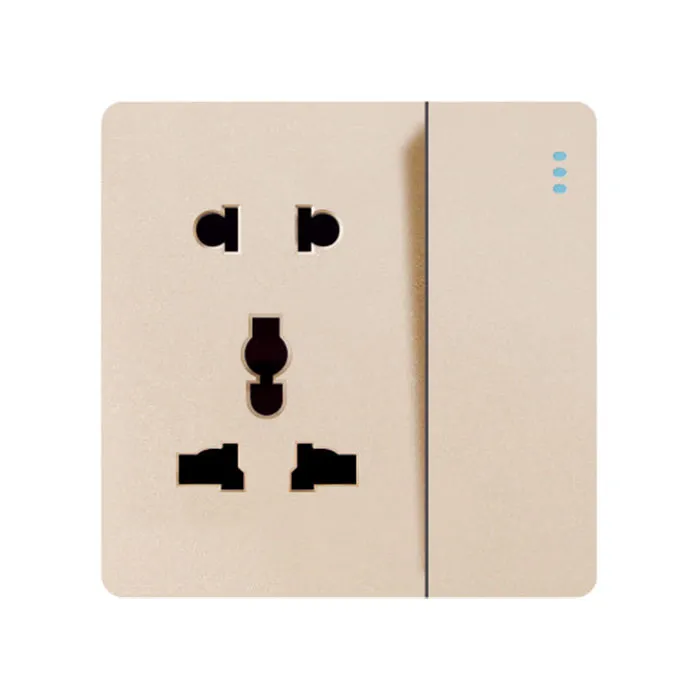
What exactly is a UK 13A 5-hole socket?
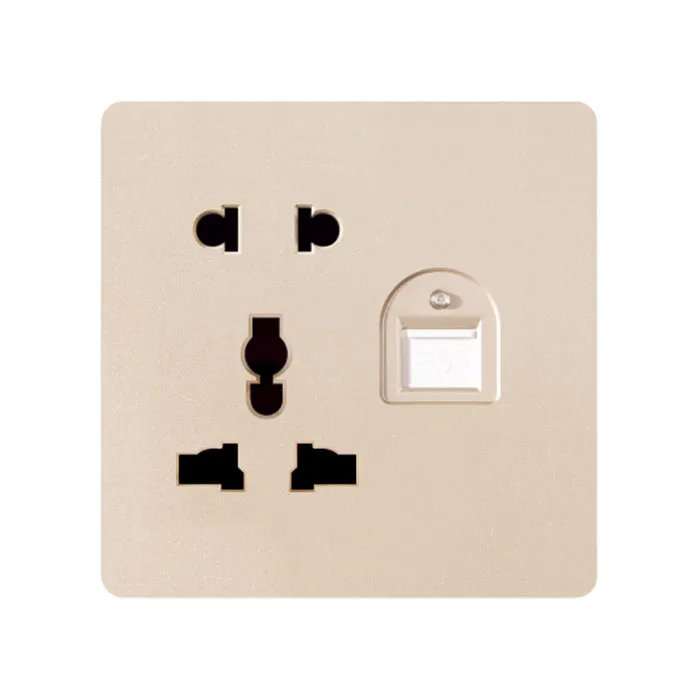
A UK 13A 5-hole socket typically refers to a socket with five prongs, but whose power supply is based on the UK 13A (ampere) standard. While the design of 5-hole sockets varies slightly between manufacturers and regions, the most typical forms include:
• British three-prong (L, N, E)
• An additional two-prong socket (usually used to support European standard or other round-pin plugs)
Therefore, the 5-hole socket is not an official component of the UK national standard BS1363, but rather a composite socket extended to meet "multi-country compatibility needs." In other words, its primary significance lies in allowing a single socket to support multiple different plug shapes.
Why do UK 13A sockets have 5 holes?
To understand the reason for the existence of 5-hole sockets, we need to start with the lack of a unified global power supply standard. Currently, there are dozens of plug specifications in the world, while the UK uses a unique square three-prong plug. To make the socket compatible with plug types from more countries, some manufacturers combine "British three-prong" and "European standard two-prong" on the same panel, forming a 5-hole layout.
The main objectives of this design include:
• Improving the universality of sockets
• Reducing the need for frequent adapter use
• Allowing certain regions to simultaneously provide both UK and European standard sockets
• Providing a unified solution for export-oriented housing, hotels, or engineering projects
Therefore, the 5-hole socket is not a product of UK domestic demand, but rather a result of cross-border usage needs.
What is the difference between a UK 13A 5-hole socket and a British 3-hole socket?
Although the UK 13A 5-hole socket retains the British three-hole portion, it still differs significantly from traditional British sockets:
1. Different Number of Holes
• British Standard Socket: Three-hole
• UK 13A 5-hole Socket: Five-hole (compatible with various plugs)
2. Different Uses
• British Socket: Only for UK plugs
• 5-hole Socket: Compatible with European two-hole and other plugs
3. Different Usage Scenarios
• British Socket: UK homes and offices
• UK 13A 5-hole Socket: International use, highly mixed regions, export projects
4. Different Safety Regulations
Standard British sockets strictly adhere to BS1363, while 5-hole sockets are not always 100% equivalent to the British standard, especially the European two-hole connector.
Therefore, although a 5-hole socket contains British 13A holes, it is still not a typical official British socket.
Does the UK 13A 5-hole socket comply with British standards?
This is a common question. The answer is usually: It partially conforms to the UK three-prong plug but not entirely to the BS1363 standard.
The reasons are as follows:
• The UK three-prong plug generally follows the UK 13A specification, including safety shutters, anti-electric shock structures, and fuse protection (built-in in the plug).
• The additional two prongs (usually European standard) do not belong to the UK BS1363 but to different standards systems of other countries.
Therefore, a 5-prong socket is not an officially compliant UK household wall socket.
UK building codes (such as Part P) generally do not allow the installation of sockets with multiple plug types.
What are UK 13A 5-prong sockets mainly used for?
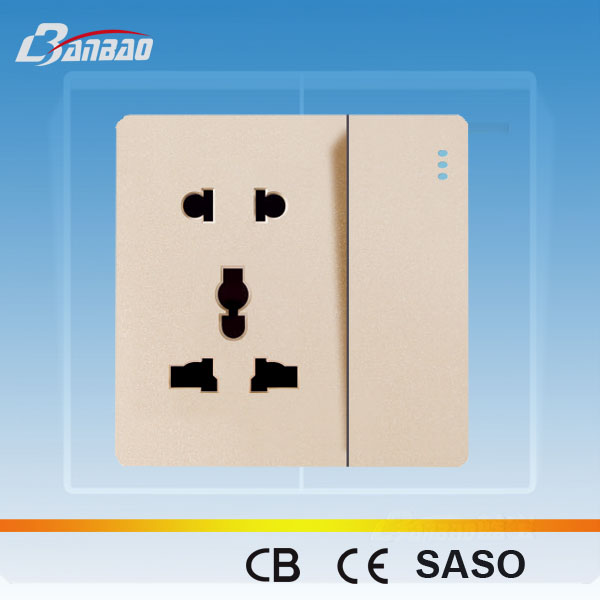
The main uses of UK 13A 5-prong sockets are as follows:
1. Serving environments that require plugs from different countries
• International schools
• Multinational company offices
• International hotels
• Export residential projects
• Trade projects
These scenarios require sockets compatible with plugs from multiple countries, therefore the 5-prong socket has extremely high versatility.
2. Reduces the hassle of using multiple adapters
The 5-hole socket eliminates the need for users to carry additional plug adapters:
• UK BS1363 plugs
• Common plugs such as European standard two-prong (Type C) plugs.
3. Suitable for the export market
Manufacturers frequently produce UK 13A 5-hole sockets for:
• The Middle East
• Parts of Asia
• Parts of Africa
• Hotel projects
These regions often use British power systems but also have a large number of visitors from the EU or other countries, thus requiring compatible sockets.
4. An embedded version of a "multi-country adapter"
Compared to temporary travel plugs, the 5-hole socket directly integrates "multi-country compatibility" into a wall-mounted device, making the environment neater and more convenient to use.
Is this 5-hole socket suitable for use in UK households?
Strictly speaking: No, it is not suitable and does not meet UK standards.
UK building codes emphasize:
• Sockets must comply with BS1363
• Multi-national standard sockets are not officially certified
• Additional two-prong European standard sockets may lack a shut-off shutter, failing to meet UK protection against electric shock.
Therefore, even though UK 13A 5-hole sockets are common in other countries, they are not recommended or permitted for installation in formal UK projects.
What advantages does the UK 13A 5-hole socket's design offer?
Despite not being a UK standard, the 5-hole socket still has significant advantages in the international market:
1. Wide versatility: Accepts more types of plugs
2. Reduces contact instability caused by temporary adapters
3. Enhanced socket flexibility
4. Improved device compatibility in certain international regions
Therefore, the greatest value of the 5-hole socket lies in its wider applicability.
What precautions should be taken when using a UK 13A 5-hole socket?
While feature-rich, there are still some precautions to take when using a 5-hole socket:
• Understand the current and voltage standards of the extra two holes.
• Ensure your device plug is fully compatible with the socket.
• Avoid overloading.
• Do not assume all holes have UK-standard protection.
• Ensure the socket is manufactured by a compliant supplier.
These precautions ensure safer use of 5-hole sockets.
Why are 5-hole sockets so common in many countries?
Because of the following reasons:
• Areas where people live and travel in multiple countries require sockets with multiple standards.
• International hotels tend to install 5-hole sockets to reduce converter costs.
• Some countries use the British standard voltage system and also accommodate visitors from Europe and America.
• Demand from export-oriented projects far exceeds demand within the UK.
Therefore, the UK 13A 5-hole socket is more common in countries using the British standard than in the UK itself.
Can a UK 13A 5-hole socket replace a travel adapter?
The answer is: It can replace it to some extent, but it cannot completely replace it.
Reasons include:
• Not all plugs are compatible with 5-hole sockets.
• Some countries use high-power or specially shaped plugs.
• Even if the sockets match, the voltage and frequency may still be inconsistent.
Therefore, while 5-hole sockets offer increased convenience, they are not universally compatible.
How to determine if a 5-hole socket is suitable for your device?
Before use, follow these steps:
1. Check the type of plug on your device.
2. Check the voltage supported by your device.
3. Check the socket's output parameters.
4. Confirm if an adapter or transformer is needed.
5. Ensure the socket structure fits the plug perfectly.
This ensures a more stable and safer use of the 5-hole socket.
The True Purpose and Value of the UK 13A 5-Hole Socket
The UK 13A 5-hole socket is not a standard socket in the UK, nor is it a common product encountered by UK residents in daily life. Its true value lies in:
• Compatibility with multi-country plugs
• Suitability for international environments
• Reduced use of adapters
• Meeting electrical needs across regions and standards
Therefore, the UK 13A 5-hole socket is primarily an "enhanced international socket," rather than a product designed for British households.
Do you accept wholesale and distributor partnerships?
Yes, we actively partner with wholesalers, distributors, and electrical component resellers. As a Foshan factory and supplier with experience in sales and export, we offer channel pricing, volume discounts, promotional support, and tailored MOQ arrangements to distributors.
Our company provides marketing materials, product training, and listing information to help wholesale partners introduce our brands to local markets. Purchasing teams benefit from direct supplier relationships, which lower prices and improve supply chain reliability.
